Before you book a venue rental, check its capacity and layout, location and parking, Wi-Fi and AV setup, catering and vendor policies, accessibility, safety plans, and full pricing and contract terms in person, not just from a listing. Skipping any of these is one of the most important decisions you can get wrong when you start planning an event.
This checklist walks through everything worth checking before you book a venue rental, from capacity and location to catering rules and cancellation terms.
If you’re looking for a simple, printable checklist, skip to the end!
TL;DR
- Nail down your guest count, event type, and must-have spaces before you tour anywhere.
- Check capacity, layout, parking, and accessibility in person, not just on the listing.
- Ask about Wi-Fi bandwidth, AV equipment, and backup power before you rely on any of it.
- Get catering, vendor, and F&B minimum policies in writing before you commit.
- Read the cancellation policy and hidden fees closely. That's where budgets usually break.
- Browsing vetted venues through a marketplace like Perfect Venue's can cut a lot of this legwork down to a few clicks.
1. Start With Your Event Details
Before you tour a single space, get clear on the basics.
- How many attendees are you expecting?
- Is this a seated dinner, a standing reception, or a hybrid with a stage and breakout rooms?
- Do you need a dance floor, a private bar, or a separate room for vendors to prep?
Planners who skip this step end up touring venues that never had a real shot. You'll save hours by writing down your guest count, event format, and three or four non-negotiables before you book a single tour.
If you're planning a company event specifically, our corporate event planning guide walks through how to scope these details for a business audience.

2. Check Capacity and Layout
A venue's max capacity number doesn’t always tell you how the venue space actually feels once you add tables, a stage, and a buffet line. A room that "fits 150" for a cocktail party might comfortably seat half that many for a plated dinner.
Ask how the room can be set up for your specific format, and walk through how it breaks down for:
- Seated dinners versus standing receptions
- Breakout sessions or separate spaces for kids, vendors, or VIPs
- A/V setups, staging, and dance floors
We've found that asking for photos or a floor plan from other events similar to yours is one of the fastest ways to picture how your own guest count will actually feel in the room.
If a site visit isn't possible right away, ask whether the venue offers a virtual walkthrough so you can get a feel for the space before you commit time to an in-person tour.
3. Confirm Location, Parking, and Transportation
A venue's location can make all the difference in your turnout. Before you fall for a gorgeous room in a tough spot, think through how guests will actually get there and how that access will determine your final headcount.
Questions worth asking:
- Is there sufficient parking on-site? Is it free or paid?
- Is the venue easily accessible by public transit and close to major roads?
- Are there hotels nearby for out-of-town guests?
- If parking is tight, can the venue arrange a shuttle service from a nearby lot?
If most of your guests live locally, easy parking usually matters more than proximity to an airport. For a destination event or multi-day conference, flip that priority and lean toward venues near transit hubs and hotel blocks.
4. Ask About Availability and Booking Flexibility
Popular venues book out months in advance, especially for weekend weddings and holiday parties. For a perfect wedding venue, peak-season Saturday dates can book out a year or more ahead, so confirm availability first before you invest more time touring the space.
If you have any flexibility on dates, you could open the door to amazing venues that only have openings on weekdays or during the off-season. Ask the venue manager whether they offer a discount for those dates.

5. Review the Wi-Fi, AV, and Tech Setup
Unless you're planning a phone-free retreat, your guests will be on their devices.
Ask the venue to test the network with several devices connected at once, especially if you're planning on live streaming any part of the event.
Beyond Wi-Fi, confirm:
- What AV equipment is built in versus what you need to rent
- Whether on-site technical support is included or an extra line item
- Whether there are enough outlets for laptops, chargers, and production gear
- Backup power in case of an outage, and how the venue's sound system handles a full room
6. Ask About Catering and Vendor Policies
Catering policies vary a lot from venue to venue. Some require in-house catering only or a list of preferred vendors. Others let you bring in external vendors for an extra fee. Get this in writing early, since it directly affects your budget and your menu options.
If in-house catering is required, ask whether a food tasting is included before you sign. Most venues also have food and beverage minimums, and some have strict policies around outside alcohol or a required bar provider.
Questions to cover:
- Is there a food and beverage minimum, and what counts toward it?
- Can the caterer accommodate dietary restrictions and allergies?
- Is there a kitchen fee for using an external caterer?
- Who handles clean up after the event, and is it included in your rental fee?
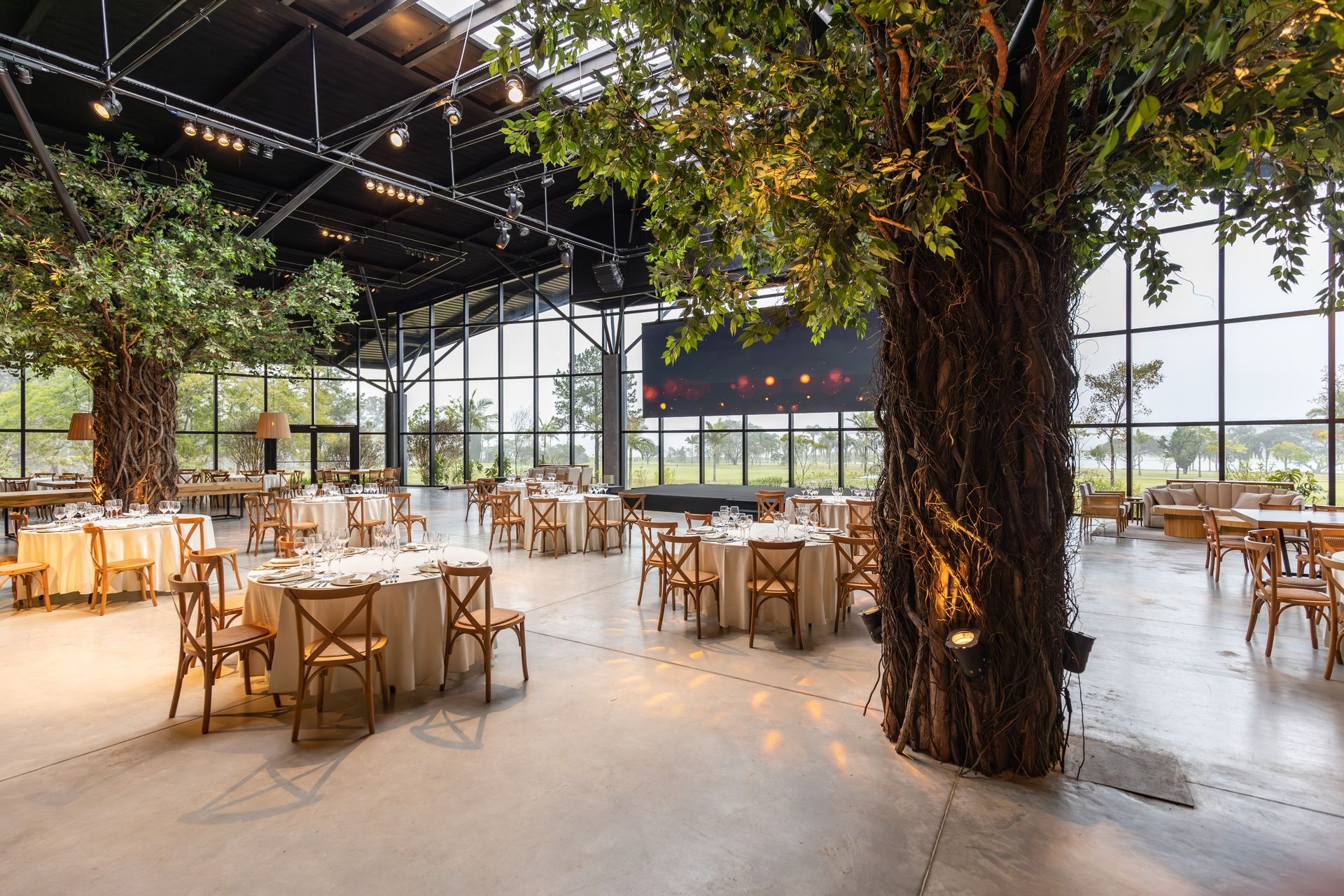
7. Verify Accessibility for All Guests
Keeping the venue accessible should be a top priority on every site visit. Walk the route a guest using a wheelchair or walker would take, from parking through the entrance, restrooms, and seating.
Federal guidance on accessible meeting spaces recommends aisles at least 36 inches wide with enough turning space for a wheelchair or scooter, plus an accessible path connecting parking, the entrance, and restrooms.
Confirm there are wheelchair accessible restrooms along that route, not just near the main entrance. Ask about accommodations for guests with mobility needs, hearing impairments, or sensory sensitivities too.
A truly accessible venue benefits every attendees group, not just those with disabilities. Wider aisles and clear signage make the whole event easier to navigate.
8. Confirm Safety, Security, and Emergency Plans
Ask the venue coordinator to walk you through emergency exits, evacuation routes, and where first aid supplies are kept.
For larger events, ask whether the room's occupant load has ever required a documented crowd management plan and whether trained staff are on-site to manage exits and general safety during peak hours.
It's also worth building a simple emergency plan of your own that covers who calls for help, how you'll communicate with staff, and where guests should gather if the venue needs to evacuate.
Also ask:
- Does the venue carry liability insurance, or will you need your own event policy?
- Is on-site security included, or do you need to hire it separately?
- What's the policy on open flames, candles, or sparklers?
9. Match the Venue's Style to Your Event
Presentation matters, and the design elements already in the room will shape how much decorating you actually need to do.
A raw industrial loft calls for different styling than a hotel ballroom or a garden space built for a big day like a wedding.
Ask whether you can bring in your own decor, hang signage, or adjust the lighting, and whether there are any restrictions on candles or open flames layered on top of the venue's general fire policy.
10. Understand Pricing, Contracts, and Cancellation Terms
Rental costs almost always come with add-ons: cleaning fees, overtime charges, and sometimes an insurance requirement.
Ask for a full breakdown before you sign anything, not just the headline rate.
Service charges and gratuities can add 20% or more to your final bill, so get the math in writing, and ask about any additional fees for things like early load-in or a late end time.
Before you commit, confirm exactly what the venue provides as part of the base rental versus what you'll need to rent separately, plus:
- The deposit amount and payment schedule
- The cancellation policy and whether it's tiered by how close to the event date you cancel
- Whether the venue offers day of coordination support or if that falls entirely on you
- Any penalties for going over your booked hours

11. Do a Final Walkthrough Before You Sign
Once you've narrowed it down to a top choice, schedule one more visit before signing. Walk through seating layouts, test the Wi-Fi and sound system again, and double check that every verbal promise from your earlier conversations made it into the written contract.
Bring a checklist of everything you want to confirm and take photos as you go. It's a small step that saves a lot of stress if a detail gets miscommunicated down the line.
Venue Types at a Glance
Free Printable Event Venue Checklist
Save or print this quick-reference version and bring it to your next site visit.
Event Details
Guest count: ___________
Event format (seated, standing, hybrid): ___________
Budget range: ___________
☐ Stage
☐ Dance floor
☐ Breakout room(s)
☐ Vendor prep space
Capacity and Layout
Max capacity, seated: ___________
Max capacity, standing/reception: ___________
☐ Floor plan or photos from a past event
☐ Virtual walkthrough available
Location and Parking
Parking cost (free/paid, amount): ___________
Distance to nearest public transit: ___________
☐ Close to major roads
☐ Shuttle service available
Availability
☐ Event date available
Backup dates, if needed: ___________
Off-peak or weekday discount: ___________
Wi-Fi, AV, and Tech
☐ Wi-Fi tested with multiple devices connected
AV equipment included: ___________
AV equipment you'll need to rent: ___________
☐ On-site technical support
☐ Backup power source
Number of outlets: ___________
Catering and Vendors
☐ In-house catering required
☐ Outside caterers allowed
☐ Preferred vendor list required
☐ Food tasting available
Food and beverage minimum: ___________
Kitchen fee for outside caterers: ___________
Alcohol/bar policy: ___________
☐ Dietary restrictions accommodated
Accessibility
☐ Accessible entrance
☐ Wheelchair accessible restrooms
☐ Accessible seating
☐ Assistive listening devices
☐ Quiet space for sensory needs
Safety and Security
☐ Emergency exits and evacuation routes reviewed
☐ On-site security included
Liability insurance required (yes/no, amount): ___________
Open flame/candle policy: ___________
Pricing and Contract
Base rental rate: ___________
Service charge or gratuity: ___________
Other fees (cleaning, overtime, etc.): ___________
Deposit amount and payment schedule: ___________
Cancellation policy: ___________
☐ Day-of coordination included
Final Walkthrough
☐ Second site visit scheduled before signing
☐ All details confirmed in the written contract
Bring This Checklist to Your Next Venue Tour
The right venue comes down to more than good lighting and a nice view. Capacity, accessibility, catering rules, and contract terms decide whether your event actually runs smoothly on event day.
Walk through this checklist on every tour, and don't be afraid to ask venue coordinators the harder questions about fees, safety, and flexibility.
Ready to start comparing venues instead of guessing? Browse vetted event spaces on Perfect Venue's marketplace and find a venue that fits your big day, your guest list, and your budget.
Frequently Asked Questions
What should an event venue checklist include?
A solid checklist covers your guest count and event format, venue capacity and layout, location and parking, Wi-Fi and AV setup, catering and vendor policies, accessibility, safety and emergency plans, and full pricing and contract terms. Going through each category during a site visit helps you catch issues before you sign anything.
How far in advance should I book an event venue?
For weekend weddings and popular holiday dates, six months to a year out is common. For smaller corporate events or weekday bookings, six to eight weeks often works, though it's still smart to start earlier if you have a specific venue in mind.
What are the 5 Cs of event planning?
The 5 Cs are typically defined as concept, coordination, control, culmination, and closeout. They describe the stages an event moves through, from initial idea to post-event wrap-up. You'll see slightly different versions of this list across sources, but these five stages come up most often.
What are the 5 Ps of event planning?
The 5 Ps are commonly listed as purpose, people, place, program, and price. They work as a quick framework for scoping an event before you get into venue-specific details like capacity and layout.
What questions should I ask before booking a venue?
At minimum, ask about capacity by setup style, parking and transit access, catering and vendor rules, Wi-Fi and AV capabilities, accessibility features, cancellation policy, and any hidden fees. Getting answers in writing protects you if something changes closer to your event date.