To increase restaurant sales, fill slow shifts, book more private events, and raise the average check. Then bring guests back with loyalty, email, and direct ordering.
This guide covers 12 strategies in all, from menu engineering and server suggestions to local search and ticketed events. Most use the space and staff you already pay for. That makes them a safer bet than a discount or more posts on social media. In our experience, private events are the most overlooked of the 12 for restaurants with a back room or patio.
What Drives Restaurant Sales?
In any restaurant business, sales come from three levers: how many guests you serve, how much each guest spends, and revenue from outside your regular dining service.
As a formula, sales = guests x average check + other revenue (private events, catering, and off-premises orders).
To increase restaurant revenue, pull one lever without shrinking the other two. A 20% discount that brings in 10% more guests leaves you with about 12% less in sales, because 1.1 x 0.8 = 0.88. Every strategy below moves at least one lever, and the best ones move a lever while using space and staff you already pay for.
12 Ways to Increase Restaurant Sales
Each strategy below moves one of three levers: guests, average check, or new revenue. Slow-shift offers, loyalty, email, and local search bring in more guests. Menu engineering, server suggestions, and smarter pricing raise the average check. Private events, direct ordering, ticketed nights, and local partnerships add new revenue. Weekly tracking shows which ones are working.
1. Build a Private Events Program
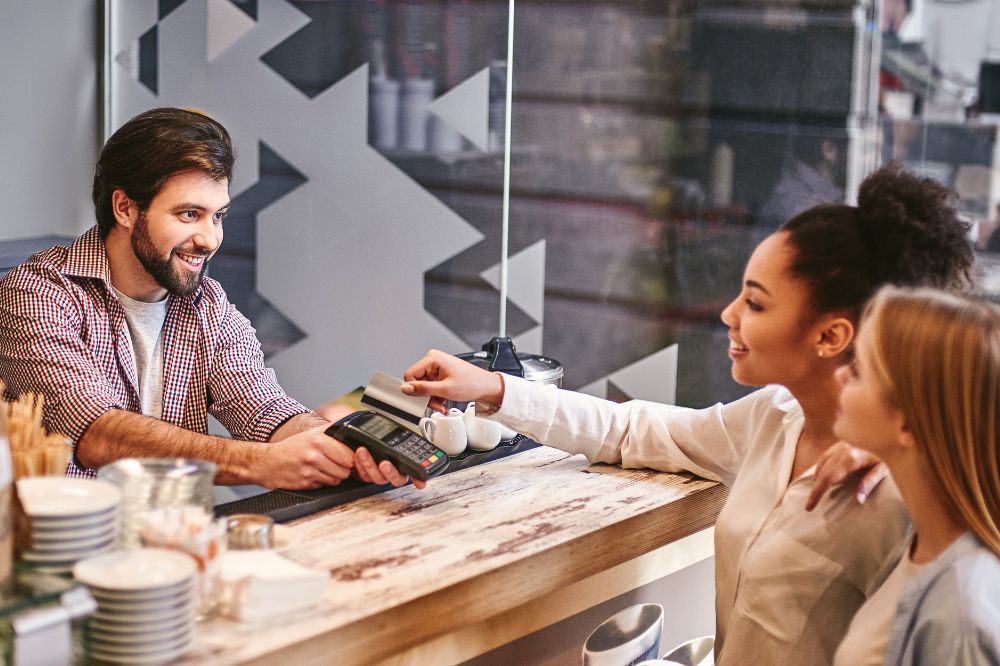
A private events program sells your private dining room, patio, or whole restaurant to groups at a set minimum spend. It's one of the largest single sales a restaurant can make, and it books the space weeks ahead. If you're starting from scratch, setting up a private event revenue stream takes a list of your spaces, two or three packages, and an inquiry form on your website.
Once the program is running, a few habits decide how many inquiries turn into bookings:
- Fast replies: Answer within minutes, even if it's only a price range.
- F&B minimums: Set them by day and season, so a December Saturday costs more than a January Tuesday.
- Per-person packages: Offer two or three, so planners can choose without a long email thread.
- Add-ons: Put a welcome cocktail or dessert station in the proposal.
In our experience, reply speed and clear pricing matter more here than any discount.
2. Fill Slow Shifts Before You Discount Busy Ones
Fill your slowest shifts first, because an empty Tuesday seat earns nothing while a discounted Saturday seat gives away money you'd have made anyway. Pull four weeks of covers by hour from your POS and find your two weakest shifts. For many restaurants, that's Monday to Wednesday and early evenings.
Then give people a reason to come at that time:
- Prix fixe night: a three-course menu at one price on your slowest night, for example $35.
- Industry night: a Monday deal for local restaurant and bar staff on their night off.
- Happy hour: a 4 to 6 p.m. window with a short drinks list and two or three shareable plates.
- Student night: a weeknight deal with a student ID, which can bring in a younger customer base near a campus.
Skip blanket discounts like "20% off everything," which train regular customers to wait for the deal and do nothing for the shifts that need help. Off-peak specials also help balance labor costs, because you’re already paying a team to cover those shifts.
3. Raise Your Average Check With Menu Engineering
Menu engineering sorts every dish by how often it sells and how much profit it makes, then uses your menu layout to push the winners. Each dish lands in one of four groups:
Placement matters too, so put a star at the top of each category, where guests read first. For instance, a $68 ribeye at the top of the mains makes the $34 short rib below it look like a fair deal. When you refresh the menu each season, a menu planning checklist keeps new dishes in line with your concept, costs, and kitchen capacity.

4. Train Servers to Suggest Add-Ons
Servers raise the average check when they suggest a specific item at the right moment. "Any appetizers?" is easy to turn down. "Want to start with the burrata while you look at mains?" gives the guest a specific dish to say yes to, at the moment they're deciding.
Give servers three short scripts:
- Starters: name one shareable plate as the table sits down.
- Wine: pair one glass with the dish the guest ordered ("The Malbec goes well with the short rib").
- Dessert: bring the dessert menu with the plates cleared, before anyone asks for the check.
Tie the scripts to servers' pay, since a bigger check usually means a bigger tip, and a monthly prize for the highest dessert or wine sales keeps the habit going. Ask your top servers for advice when you write them, since they know which suggestions guests say yes to.
5. Price Your Menu for Today's Costs
Price your menu for what your food costs today, in small and regular steps. Restaurant menu prices keep climbing: the Bureau of Labor Statistics August 2026 CPI report shows food away from home prices up 3.4% over the last 12 months. If your prices haven't moved in a year while your food costs rose, the profit your restaurant makes on each plate has shrunk.
Review your top 20 sellers every quarter and move individual items by $0.50 to $1 at a time where costs rose. Repricing the whole menu at once makes every increase visible on the same night.
A restaurant pricing strategy that uses bundles, like a burger, side, and drink at one price, helps too. Price changes raise restaurant sales per guest only when the menu still feels fair, so pair increases with a few bundles at a good value.
6. Turn First-Timers Into Regulars With a Loyalty Program
A loyalty program gives new customers a reason to come back to you instead of the place next door. Repeat business like that builds a loyal customer base over time. And guests like loyalty programs, too! In a 2024 NRA technology report, 52% of consumers said they belong to a loyalty or rewards program, and 96% said they appreciate these programs.
Pick a format your team can run without a spreadsheet:
- Points per dollar: works well if most guests spend similar amounts.
- Visit-based: the classic "10th coffee free," good for quick-service and cafes.
- Tiered perks: priority reservations or a free dessert after a set spend, good for full-service.
Many restaurant loyalty software tools connect to your POS, so points add up automatically and staff don't have to stamp cards. Whichever format you pick, a birthday reward gives members one more reason to come in.

7. Email and Text Your Past Guests
Your past guests are the cheapest people to bring back, because you already have their contact details. Email marketing is the simplest way to reach them. Collect emails from reservations, online orders, and Wi-Fi sign-ins, and ask for opt-in consent before you send texts.
Send messages people want to open:
- Birthday offers: a free dessert or drink during their birthday month.
- New menu drops: a photo of the new dish and the date it lands.
- Event announcements: your next wine dinner, trivia night, or holiday party packages.
Start with two or three emails a month and watch your unsubscribe rate.
8. Own Your Online Ordering and Takeout
Run takeout through your own ordering page so you keep more of each order. Off-premises dining is now the main way people use restaurants. The NRA's 2025 off-premises research found that nearly 75% of restaurant traffic happens off-premises, and 57% of adults had recently used mobile ordering.
Third-party delivery apps help people find you, but they charge a commission on every order. Move repeat guests to direct ordering:
- Put an "Order online" button at the top of your website and on your Google Business Profile.
- Add a card or sticker in every delivery bag with a QR code for your own ordering page.
- Offer something small for ordering direct, like a free side.
- Invest in clear, appetizing photos of your best sellers on the ordering page, since guests can’t taste the food before they order.
9. Host Ticketed Events and Themed Nights
Ticketed events bring in new guests who might not come for a regular dinner, and presold tickets lock in revenue before the night. Formats that suit a regular dining room:
- Tasting dinners: a five-course menu with pairings, sold at a set price per seat.
- Trivia or quiz nights: a weekly fixture for a slow weeknight.
- Chef collaborations: a guest chef from another local restaurant, which brings their followers to you.
Promote on social media to create buzz, sell tickets online in advance and cap the count at what your kitchen can serve well. A sold-out tasting dinner also gives you a guest list to email about the next one. Announcing the next date at the end of each night builds anticipation.
10. Partner With Local Businesses and Corporate Accounts
Local partners send you groups, and corporate accounts send you the same group again and again. Walk your menus and event packages into the offices within a mile of your restaurant. Offer team lunches, client dinners, and after-work happy hours.
Start pitching holiday parties in September. Office managers often start booking December dates in the fall, and every corporate account you land feeds your private events calendar. Hosting local groups also gives guests a sense of community around your restaurant. A local food creator at a tasting can also put your brand in front of their followers.
Cross-promotions with nearby businesses work too. A theater, gym, or brewery can share your pre-show menu or post-class special with their customers, and you share theirs.
11. Show Up in Local Search
People who search "restaurants near me" find you through your Google Business Profile. In a 2023 PYMNTS Intelligence survey of more than 2,200 U.S. consumers, 62% of restaurant customers said they use Google to search for restaurants. Each search is a chance to reach potential customers and new guests, so make sure your profile gives an accurate picture of your establishment.
Keep it complete with current hours, a menu link, an online ordering link, and fresh photos of your food and spaces. Add photos of your private dining room, too, so event planners see it.
Reply to reviews within a few days, good and bad. A short, specific reply to a complaint shows future guests how you handle problems. A Harvard Business School study found that each extra star on a Yelp rating was linked to a 5% to 9% increase in revenue for independent restaurants.
Once your profile is in shape, add one or two other restaurant marketing ideas, like a weekly post of the day's special or a seasonal promotion with a nearby shop.
12. Track Sales Weekly By Daypart and Channel
Track the same handful of numbers every week, so you can tell which strategies are paying off. Break sales down two ways:
- By daypart: lunch, dinner, and late night. This shows whether your slow-shift offers are working.
- By channel: dine-in, takeout, delivery, and private events. This shows where growth is coming from.
Add covers, average check, and your event pipeline: new inquiries, proposals sent, and events booked. If average check rises but covers fall, your price increases may be pushing guests away. If inquiries rise but bookings don't, the problem is your reply speed or your proposals. Tracking these numbers every week shows which strategies drive your restaurant’s success.

Restaurant Sales Strategies Compared
Use this table to pick your first two or three strategies based on the lever you need, the effort, and how fast you need results.
Grow Private Event Sales With Perfect Venue
To increase restaurant sales this year, pick one strategy for each lever: a slow-shift offer for guests, menu engineering or server scripts for the check, and private events for new revenue. Private events bring some of the largest single bookings, and they depend most on reply speed and clear pricing.
Perfect Venue helps restaurants reply faster, send proposals guests can sign and pay in one link, and track every event from inquiry to deposit. Book a demo and we'll walk you through how restaurants use Perfect Venue to book more private events!
Frequently Asked Questions
What is the fastest way to increase restaurant sales?
The fastest way to increase restaurant sales is to fill slow shifts and add private events, because both use space and staff you already pay for. If you're working out how to increase sales in restaurant dining rooms this month, start with a weeknight prix fixe and faster replies to event inquiries.
How do I get more customers in my restaurant?
Get more customers by showing up in local search, rewarding repeat visits, and reaching past guests directly. Add fresh food photos and a menu link to your Google Business Profile. Start a simple loyalty program. Email past guests about new dishes and events. Partner with nearby offices and businesses for group bookings.
How can I increase my restaurant's average check?
Increase your average check with menu engineering, server suggestions, add-ons, and packages. Place your most profitable dishes where guests look first. Train servers to suggest a specific starter, wine, or dessert. For groups, sell per-person packages and let guests add extras like a dessert station when they sign.
How do I get more private event bookings at my restaurant?
Get more private event bookings by replying to inquiries within minutes, adding an inquiry form to your website, and listing your spaces on a marketplace. Sell three clear packages with F&B minimums and offer add-ons at signing. Event software like Perfect Venue handles replies, proposals, e-signatures, and deposits in one place.
What is a food and beverage minimum?
A food and beverage minimum is the amount a group agrees to spend on food and drinks in exchange for a private space. Venues set it by day and season, so Saturday nights in December cost more than a Tuesday in January. If the group spends less, many venues charge the difference as a room fee.
How much revenue can private events add?
Private events add revenue in proportion to your minimums and how many events you book. For example, a room with a $2,500 Friday minimum that books two Fridays a month adds $5,000 in guaranteed spend. Weeknight events and buyouts add more on top, and they use a room that would otherwise sit partly empty.