
Few experiences match a well-executed outdoor event. Fresh air, natural scenery, and open space can create a memorable experience for guests while giving planners more creative flexibility than many indoor venues.
At the same time, outdoor event planning comes with challenges that don't exist inside four walls. Weather conditions can change quickly, infrastructure may be limited, and logistics often require additional coordination.
The good news is that most problems can be avoided with careful planning, strong communication, and the right venue. Here's how to plan an outdoor event that runs smoothly from setup through breakdown.
Why Outdoor Events Require Extra Planning
Planning outdoor events takes a bit more work. From inclement weather to food safety in the sun, here’s why you need to add a few extra boxes to your checklist to ensure your event’s success.
Weather Uncertainty
Weather remains the biggest variable in any outdoor event. A sunny forecast can quickly shift to rain, high winds, or extreme temperatures. Even mild weather can affect guest comfort, food service, sound equipment, and event schedules.
Successful outdoor event planning starts with weather contingencies. The earlier you develop backup plans, the easier it becomes to adapt when conditions change.

Infrastructure Limitations
Many outdoor venues don't offer the same built-in resources as indoor events. Power supply, internet access, restroom facilities, lighting, and sound systems may require additional planning or equipment rentals.
Before finalizing a venue rental, confirm exactly what's included and identify any infrastructure gaps you'll need to address.
Guest Comfort Considerations
Guests may love the great outdoors, but comfort still influences the attendee experience. Heat, cold, sun exposure, insects, uneven terrain, and long walking distances can impact satisfaction. Planning for guest comfort helps ensure attendees remain engaged throughout the event.
Vendor and Logistics Coordination
Outdoor settings often create additional logistical requirements for vendors. Caterers may need mobile kitchen setups. Food trucks require parking access and power. Entertainment providers may need additional staging or weather protection. Coordinating these details early reduces surprises on event day.
15 Outdoor Event Planning Tips for Smooth, Stress-Free Events
Every successful outdoor event relies on preparation. These planning strategies can help your team stay organized and deliver a smooth experience for guests, vendors, and staff.
1. Choose a Venue With Built-In Flexibility
The right venue can solve problems before they arise. Look for outdoor venues that offer covered spaces, indoor backup options, flexible layouts, and access to essential infrastructure.
Having alternative spaces available can make a major difference when weather conditions become unpredictable. Venues that support both indoor and outdoor configurations also give event planners more flexibility if attendance numbers change.
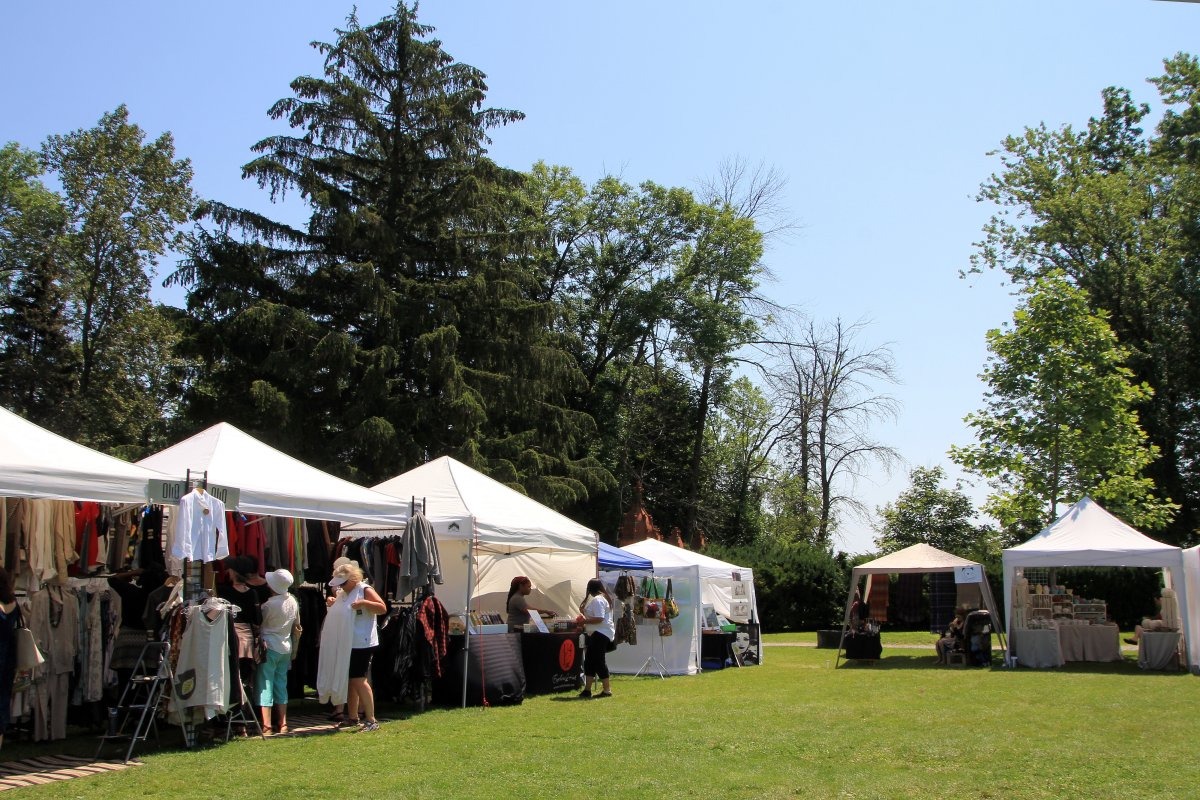
2. Develop a Detailed Weather Backup Plan
A weather backup plan should go beyond simply reserving a tent. Identify specific decision points for moving activities indoors, determine who makes weather-related decisions, and communicate those procedures to your core team and vendors.
Consider how severe weather may affect parking, guest arrivals, catering operations, and event schedules. The more detailed your backup plan, the easier it becomes to execute.
3. Consider Seasonal Conditions Early
Seasonal weather affects almost every aspect of event planning.
Summer events may require cooling stations, shaded rest areas, and additional hydration options. Fall events may need heating solutions for evening temperatures. Spring events often require additional weather contingencies due to changing conditions.
Review historical weather data before selecting your event date so you can plan proactively.
4. Create a Clear Event Layout
A thoughtful event layout improves crowd flow and supports smooth execution. Map out seating arrangements, food service stations, registration areas, entertainment spaces, emergency exits, restrooms, and vendor locations.
Guests should be able to move naturally through the event space without creating bottlenecks. A clear layout also helps vendors set up efficiently and allows staff to manage crowd control measures more effectively.
5. Prioritize Guest Comfort
Guest comfort should influence every planning decision. Provide shade when temperatures are high. Offer heating options when temperatures drop. Make water easily accessible. Ensure there are enough seats for guests who need them.
Small details often create a lasting impression. When attendees feel comfortable, they're more likely to stay longer and enjoy the event.
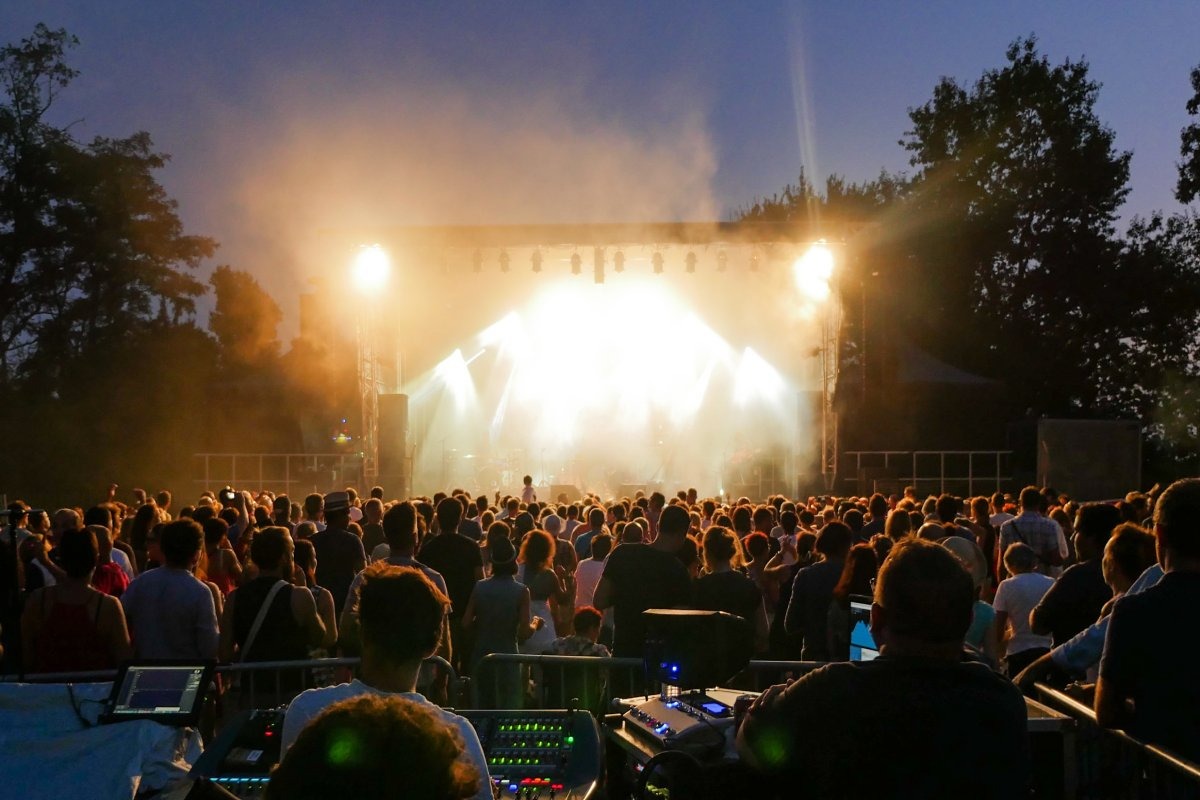
6. Plan for Power and Technical Needs
Many outdoor event issues stem from inadequate power planning. Review the requirements for lighting, sound systems, catering equipment, registration technology, charging stations, and entertainment vendors.
Confirm available power sources at the event site and determine whether generators are needed. Testing equipment before event day helps identify issues before guests arrive.
7. Secure Permits and Approvals Early
Depending on the location, you may need permits for amplified sound, alcohol service, temporary structures, road closures, or use of public spaces.
Permit timelines can vary significantly between jurisdictions. Starting early helps prevent delays that could affect the planning process.
Review local regulations carefully and maintain documentation in a central location for easy access.
8. Build a Realistic Setup and Breakdown Schedule
Outdoor events almost always require more setup time than expected. Allow extra time for equipment deliveries, staging, catering setup, signage installation, and vendor coordination. Include contingency time in case weather or traffic delays occur.
The same principle applies to breakdown. Rushed teardown schedules often create unnecessary stress and increase the risk of equipment damage.
9. Coordinate Vendor Access and Logistics
Reliable vendors and event coordinators can make or break an outdoor event. Confirm arrival times, loading procedures, parking access, power requirements, and setup locations well in advance. Share venue maps and event schedules so everyone understands their responsibilities.
Clear information sharing helps vendors perform efficiently and reduces confusion on event day.
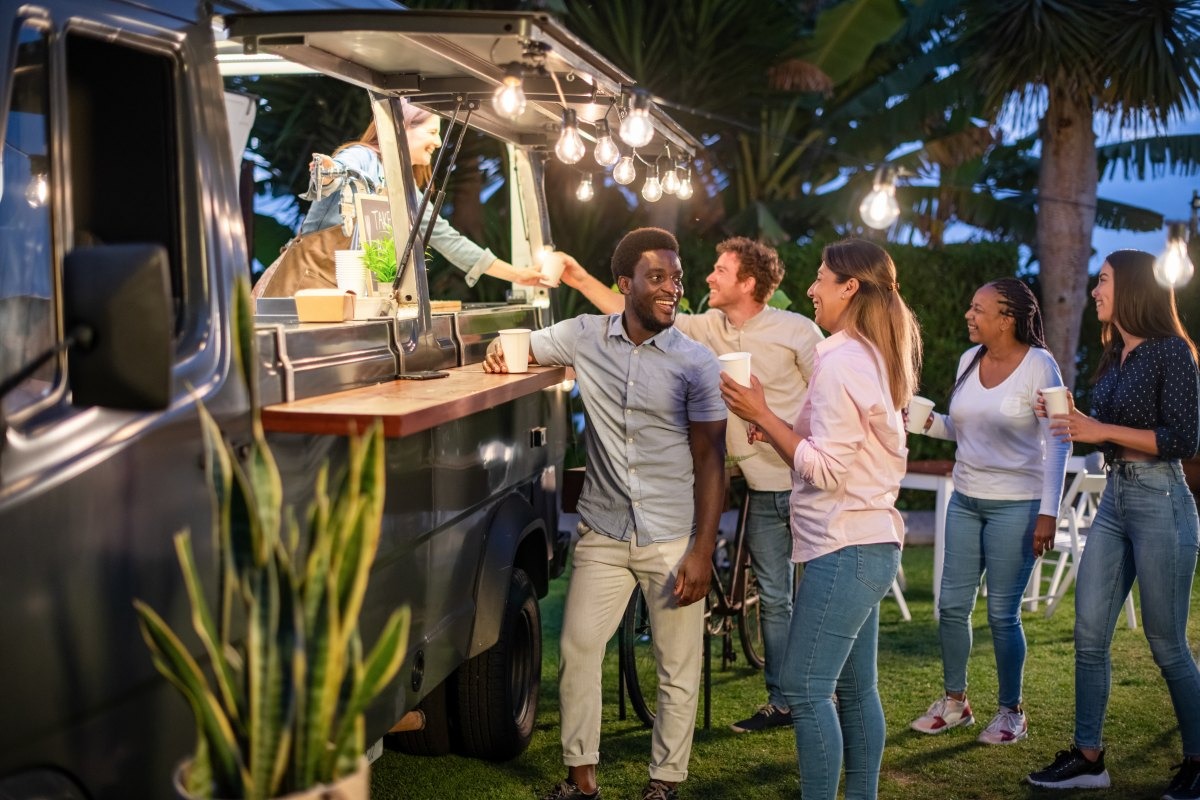
10. Prepare for Lighting After Sunset
Many outdoor events begin during daylight hours but continue well into the evening. Review how natural light changes throughout the event and identify areas that may become difficult to navigate after sunset.
Entrances, pathways, parking areas, registration tables, restrooms, and food service stations often require additional lighting. Good lighting improves guest safety while helping maintain the overall atmosphere of the event.
11. Create Effective Signage and Wayfinding
Use clear signage to direct guests toward parking areas, entrances, registration locations, restrooms, event activities, and emergency exits. Wayfinding becomes especially important when guests are unfamiliar with the venue.
Simple, visible signs help reduce frustration and improve crowd flows throughout the event.
12. Have a Communication Plan for Staff and Vendors
Before the event, establish communication and management channels for staff, vendors, security personnel, and event leadership. Depending on the size of the event, this may include radios, group messaging platforms, or designated check-in procedures.
Everyone should know who to contact when issues arise and how information will be shared throughout the day.
13. Account for Accessibility Requirements
Review walking paths, seating areas, restroom facilities, parking locations, and event activities to ensure guests can move comfortably throughout the venue.
Accessible parking, clear pathways, and appropriate seating options help create a more inclusive experience. Outdoor terrain can create additional challenges, so it's important to evaluate accessibility during site visits.
14. Develop an Emergency Response Plan
Every outdoor event should have a documented emergency response plan. Identify procedures for medical emergencies, severe weather, power outages, lost guests, security concerns, and evacuation scenarios. Share these procedures with your core team before event day.
Having a plan in place allows staff to respond quickly and confidently when unexpected situations occur.
15. Confirm Restroom Availability and Capacity
Restroom planning often receives less attention than it should. Review expected attendance and ensure restroom facilities can support guest volume throughout the event. If permanent facilities are unavailable or insufficient, portable restrooms may be necessary.
Long restroom lines can negatively affect the attendee experience, particularly during larger events.
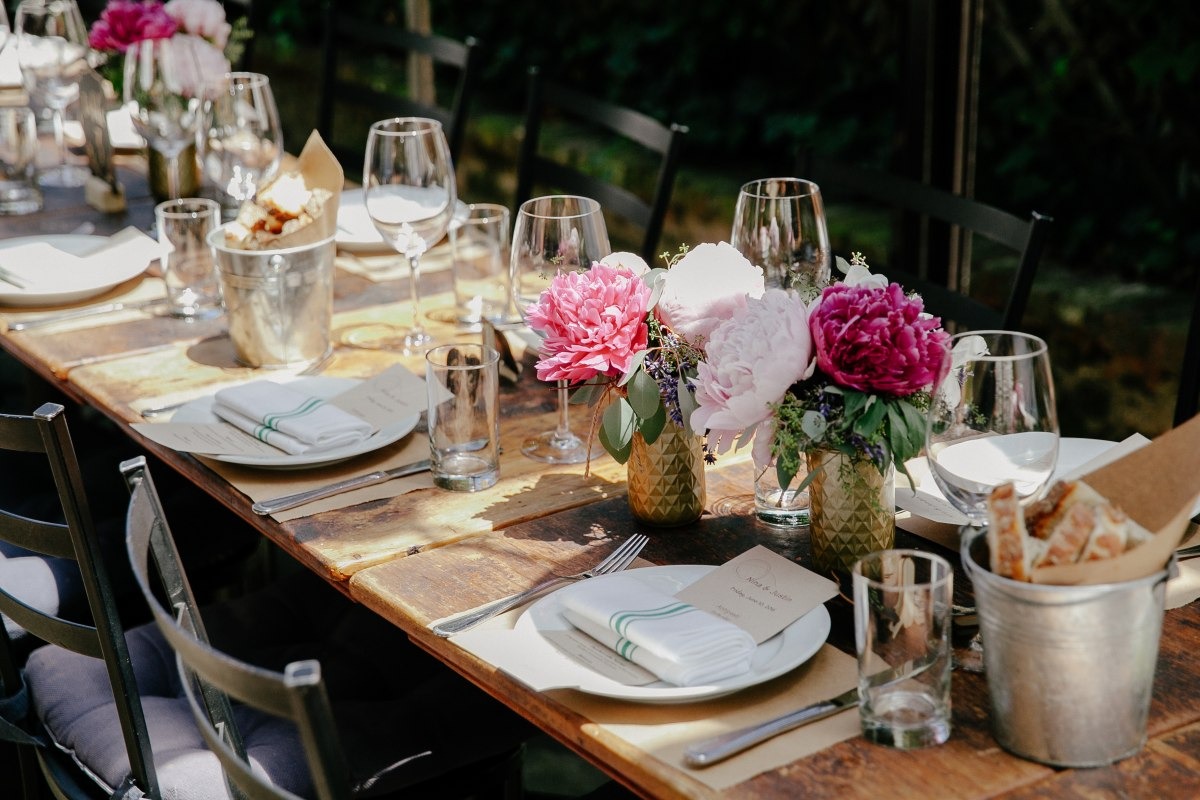
Common Outdoor Event Challenges and How to Avoid Them
Even well-planned events encounter challenges. The key is preparing for common issues before they occur.
Weather Disruptions
Bad weather remains the most common risk in outdoor event planning. Monitor forecasts regularly leading up to the event. Develop weather contingencies early, communicate backup plans clearly, and establish decision timelines for activating alternative arrangements.
When severe weather occurs, preparation often determines whether an event continues successfully or experiences major disruption.
Noise Restrictions
Many outdoor venues operate under local sound regulations. Research restrictions before booking entertainment, live music, or amplified presentations. Understanding local regulations early helps prevent last-minute adjustments and potential compliance issues.
If restrictions exist, work with vendors to identify solutions that maintain the guest experience while staying within permitted limits.
Equipment Failures
Technical problems can affect lighting, sound systems, registration equipment, and other essential tools.
Reduce risk by testing equipment in advance, bringing backup supplies when possible, and confirming technical support availability throughout the event. Working with experienced vendors also helps minimize the likelihood of equipment-related issues.
Vendor Delays
Traffic, weather, vehicle issues, and scheduling conflicts can all affect vendor arrival times. Build buffer time into your schedule and maintain regular communication with key vendors leading up to the event.
Sharing detailed logistics information helps reduce confusion and improve arrival coordination. Having contingency options for critical services can also protect the event if delays occur.

Guest Comfort Issues
Insufficient shade, limited seating, inadequate hydration stations, or poor crowd management can affect guest satisfaction. Walk through the event from an attendee's perspective during the planning process and identify potential pain points.
Addressing these issues early helps create a more enjoyable experience for everyone involved.
Conclusion
Outdoor events can deliver memorable guest experiences when logistics are handled properly. But success comes from preparation, flexibility, and communication.
Teams that anticipate challenges and coordinate effectively are far more likely to deliver smooth execution on event day. The best venues combine attractive outdoor spaces with systems that help teams manage every detail efficiently.
From weather contingencies and vendor coordination to guest communication and event logistics, having the right processes in place allows you to focus on creating an exceptional experience rather than reacting to problems.
Ready to simplify outdoor event planning? Perfect Venue helps your team manage inquiries, proposals, event details, calendars, and communication from one place, making it easier to coordinate every moving piece and deliver successful events with confidence. Start your 14-day free trial today.


