Venue leads are the inquiries you get from couples, corporate planners, and other prospects who want to book your venue space. You can generate more of them by showing up where the right people are looking, responding fast, and, most importantly, making it easy to say yes.
Winning leads takes a mix of visibility, speed, and follow-through. This post covers the tactics that move the needle for event venues, plus how to track and convert the leads you already have.
TL;DR
- Venue leads are inquiries from prospects who want to book your space. A steady stream of them keeps your calendar full and event bookings flowing.
- The strongest sources include your website, Google Business Profile optimization, event planner networks, email marketing, social media, and referrals from past clients.
- A mix of organic tactics and paid advertising tends to outperform relying on just one channel.
- Fast follow-up matters. Leads that sit overnight are much harder to convert.
- A CRM built for venues keeps every inquiry organized, so no potential customer slips through the cracks.
Why Are Venue Leads So Important?
Venue leads matter because they're the fuel for your entire sales process. Without a steady flow of qualified leads, even the best-looking event space sits empty on weekends that should be booked.
Business events generate close to $2 trillion in economic output worldwide. They support more than 30 million jobs, according to the Events Industry Council's 2026 Global Economic Significance study. That activity trickles down to individual venues. Every wedding, corporate off-site, or milestone party you book adds up.
This matters just as much for restaurants and breweries adding private events to the mix. Private events are one of the easiest ways for venue owners and the hospitality industry to capture a slice of that growth without adding covers to the regular dining room.
In our experience working with venues of every size, teams that treat follow-up as a same-day task close noticeably more event business. Responding within the hour instead of the next morning can make all the difference. Speed and consistency matter as much as lead volume.

15 Strategies To Generate Quality Venue Leads
The proven strategies below work together as part of a broader venue marketing strategy, not as a list to pick one from. Mixing organic tactics with a bit of digital marketing spend tends to bring in more leads than leaning on a single channel.
1. Know Your Target Audience
The first step in generating venue leads is understanding exactly who you're trying to reach. A wedding couple, a corporate client, and a nonprofit organizing a gala all look for different things in a space.
Dig into your past bookings and build simple buyer personas for each segment you serve. Look at budget range, guest count, and event type.
The more specific this picture gets, the easier it becomes to target planners with messaging that actually resonates and helps you find the right clients for your space.
Most clients compare at least two or three venues before they book, so knowing what makes you the better fit matters.
2. Market on the Right Channels
You don't need to be everywhere. Venues that generate the most leads pick two or three channels where their ideal clients actually spend time, then go deep on those instead of spreading thin across every platform.
Trying to maintain three directories, a paid ads campaign, an active blog, and daily social media posts all at once usually means each one gets a half effort.
Look back at where your best past clients actually found you. Put your energy toward those specific channels first, and treat the rest as secondary until you have the bandwidth to do them well.
3. Use Visual Content and Targeted Messaging
Event planners move fast when comparing venues, so you need to grab their attention right away. High-quality photos and video of real events you've hosted do more to attract leads than any amount of copy.
Build out real photo galleries instead of relying on a handful of stock-style shots.
Show your space set up for different event types: a wedding reception, a corporate dinner, a milestone birthday.
Highlight what makes your venue unique, whether that's the architecture, the location, or a signature feature no one else in town has.
If you serve multiple audience segments, tailor your images and messaging to each one so planners can picture their desired outcome instead of running one generic pitch.

4. Optimize Your Website and Local Search
Your website is often the first place a planner lands after finding you on search engines like Google. It needs to load fast, be mobile-friendly, and make it obvious how to submit an inquiry.
Websites should load within 3 seconds to avoid losing inquiries. And a short, simple lead form converts better than a long one packed with unnecessary fields (see our Event Inquiry Form Template).
More planners discover venues online today than through any other channel, which makes search engine optimization worth the investment. A solid local SEO strategy that pairs Google Business Profile optimization with keyword-rich service pages helps you show up for a venue search in your area, per Google's guidance on local ranking factors.
Track your SEO efforts and other performance metrics with Google Analytics so you know what's working. Organic strategies take longer to pay off than paid options, but they build a lasting digital presence that keeps paying off.
5. Engage With Event Planner Networks and Marketplaces
Wedding directories, corporate event marketplaces, venue marketplaces, and planner communities put your venue in front of people who are actively searching, not just browsing.
Listing your space on the right platforms extends your reach beyond your own website traffic.
Keep your profile current everywhere you list it. Outdated photos or a stale description will cost you inquiries even if your venue looks great in person.
6. Develop Customizable Event Packages
Planners want to see options, not just an empty room and a price tag. Build a few tiered packages: a basic rental, a mid-tier package with catering, and an all-inclusive option. Tiers give leads an easier way to picture their event and fit naturally into your sales process.
Customizable packages also help you compete on value instead of price alone. A planner comparing three unique venues will often choose the one that clearly explains what's included.

7. Focus on Quality Over Quantity
More inquiries don't always mean more bookings. A venue that gets 100 leads at a 60% close rate books 60 events. One that gets 500 leads at a 10% close rate books only 50, while spending five times as much staff time chasing inquiries that never convert.
Track your close rate by source, not just your total lead count. A channel that brings in high volume but low-quality leads can cost you more in follow-up time than it's worth. Shift your effort toward the channels that consistently deliver qualified leads instead of the ones with the biggest numbers.
8. Use Email Marketing To Nurture Every Lead
Not every lead books on the first inquiry, and that's normal. Sometimes, you need to nurture them. Email marketing keeps your venue top of mind while a planner compares options or waits on approval from stakeholders.
Segment your list so wedding couples, corporate clients, and past clients each get relevant content, not the same generic newsletter. Share recent event photos, seasonal availability, or a limited-time incentive to book.
Automated reminder emails matter just as much once a lead does book, since they cut down on no-shows and help increase engagement leading up to the date.
9. Build Local Partnerships and a Referral Network
Caterers, florists, photographers, and other local businesses talk to prospective clients before you ever do. A referral relationship with a handful of trusted vendors can become a referral network over time. It generates repeat business and stays one of the more cost-effective lead sources available.
If you manage more than one location, cross-selling a guest to a sister property keeps that lead in your business instead of losing it to a competitor.
10. Offer a Venue Tour, Virtual or In Person
A lot of planners narrow their venue shortlist before ever scheduling an in-person visit. A well-produced virtual venue tour lets them self-qualify on their own time. That means the walk-throughs you do book are with leads who are already seriously interested.
You don't need a huge budget for this. Even a simple video walk-through posted on your website and social media platforms gives planners a much better sense of your space than photos alone.
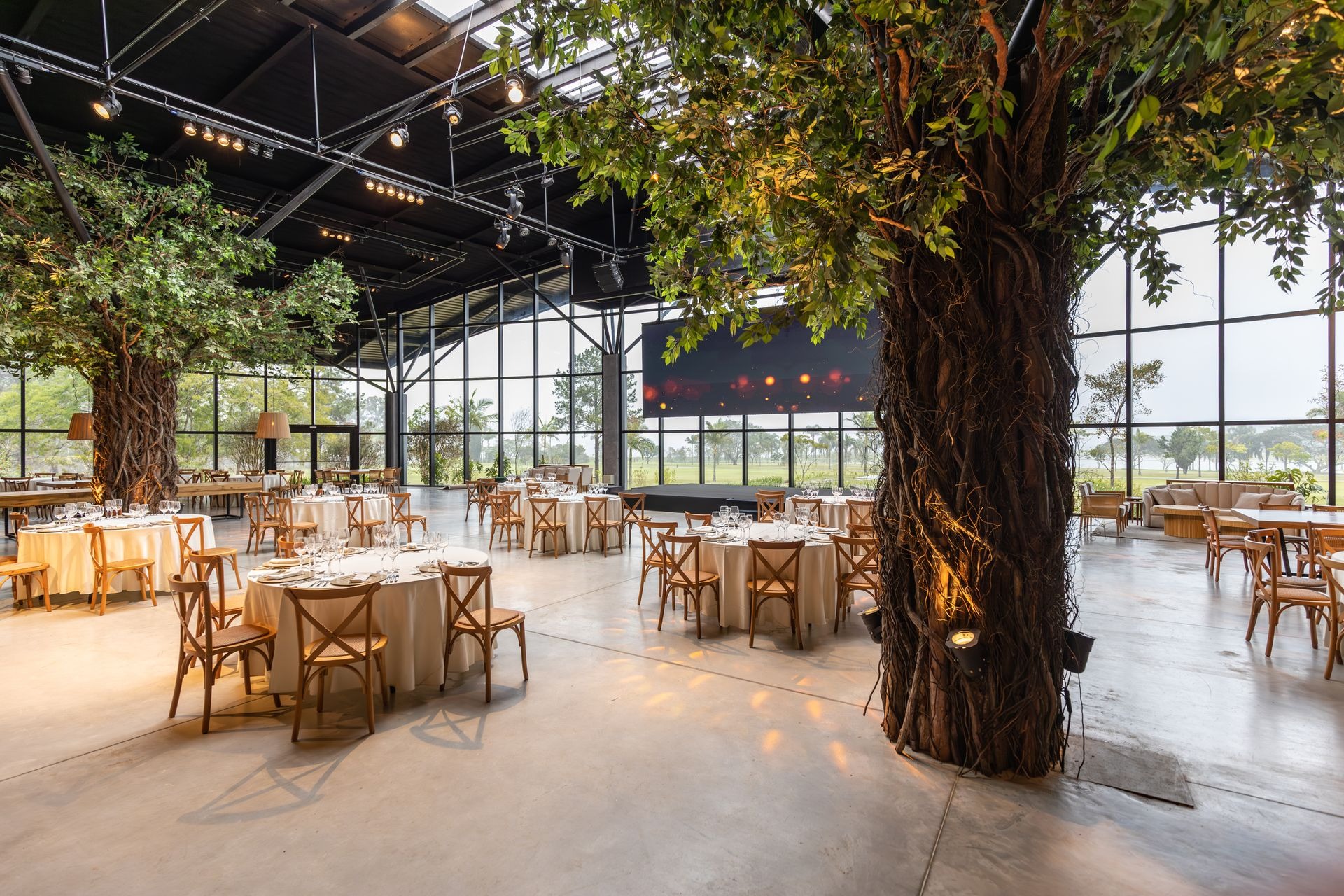
11. Host Events That Put Your Space on Display
An open house, a styled shoot with local vendors, or a small community event lets prospective clients experience your venue without any pressure to book. Hosting even one a quarter can bring in more exposure and give you fresh, authentic photo and video content for future marketing.
Invite local wedding and corporate planners directly, not just past clients. Planners who see your space firsthand are far more likely to recommend it to their own clients down the line.
12. Consider Paid Advertising When Organic Isn't Enough
Paid ads can boost bookings faster than organic tactics alone, especially when you're launching a new space or breaking into a new market. Google Ads targeting people actively searching for venues near them tends to perform well, since you're reaching people already in a buying mindset.
A modest, well-tracked ad budget beats a big spend with no measurement behind it. Start small and watch which campaigns bring in high-quality leads instead of clicks that never convert.
Treat paid advertising as one piece that supports your other marketing efforts, not a replacement for them.
13. Build Your Presence on Social Media
Social media gives you a free, ongoing way to stay visible between bookings. Post photo galleries from real events, quick venue tour clips, and testimonials from happy clients across the platforms your potential clients actually use. Video content is engaging, and it’s a great way to promote your venue.
Growing your social media followers takes consistency more than production value. Regular posting, quick replies to comments and messages, and the occasional collaboration with a local vendor will do more for your reach than one expensive shoot a year.
14. Monitor Your Competition
Keeping an eye on other venues in your market helps you spot pricing gaps, messaging angles, and package ideas you haven't tried yet. It also tells you what planners in your area have come to expect as standard.
Check competitor websites and social media pages every so often, and notice what gets engagement. Look for patterns, like a package structure or amenity that keeps coming up. That's what tells you if your own offer is falling behind the market, not to copy anyone outright.

15. A/B Test Your Lead Generation Efforts
Testing different versions of your lead form, calls to action, and email subject lines shows you what actually converts instead of leaving it to guesswork.
Change one variable at a time: a shorter form, a bolder CTA button, a different subject line. Give each test enough time to gather meaningful data before you switch to the next one.
Small, consistent tests compound over months into real gains for your conversion rate.
Comparing Your Lead Sources
Not every channel deserves the same amount of your time and ad budget. Here's a quick breakdown of how the main sources stack up.

How to Use Technology to Manage Venue Leads
Generating leads is only half the job. If inquiries land in a shared inbox and get answered whenever someone has time, you'll lose business to a competitor who responded first.
An event CRM built for venues and event spaces keeps every inquiry, conversation, and proposal in one place instead of scattered across email and spreadsheets.
Perfect Venue, for example, captures inquiries as soon as they come in. It can prepare an AI-drafted reply for your team to review and send. Every potential customer gets a fast, personalized response — even on your busiest days! That’s key because venues that reply within 5 minutes are 21 times more likely to qualify leads.
From there, your team can build a digital proposal and track whether a guest opened or clicked your email. The booking then moves through a secure guest portal for signatures and deposits, all without switching tools.
A fast, organized response turns a passing inquiry into a held date, and a smooth path from proposal to signature stops planners from drifting to a venue that made booking easier.
Conclusion
Generating quality venue leads comes down to visibility, speed, and follow-through. Show up where your ideal clients are already looking, whether that's through organic search, a referral network, or a bit of paid advertising. Always respond quickly once they reach out, and give them an easy path from inquiry to signed contract so you turn more event inquiries into booked dates.
Perfect Venue brings all of this together in one platform. It captures inquiries, sends AI-drafted replies, builds proposals, and tracks every event through to final payment.
Try Perfect Venue for free to see how it can help you convert more of the leads you're already generating!
FAQs About Venue Leads
What are venue leads?
Venue leads are inquiries from couples, corporate planners, and other prospects who want to book your event space. They can come from your website, referrals, event planner directories, or paid ads, and turning them into signed contracts is the goal of your entire sales process.
How do I promote my venue to get more leads?
Pick two or three channels where your ideal clients already spend time (most venues do best with a mix of local SEO, a Google Business Profile, and one or two event planner directories). Then go deep on those instead of spreading thin across every platform.
How do I get more leads for my event business?
Combine organic tactics (SEO, referrals, social media) with a small paid ads budget, and respond to every inquiry within the hour. Venues that reply within 5 minutes are 21 times more likely to qualify a lead.
How much should I pay for venue lead generation?
Start with a modest, well-tracked ad budget rather than a large spend with no measurement. What you should spend depends on your market and average booking value, but a small, monitored test tells you more than a big untracked one.