What is a BEO, you ask? A Banquet Event Order (BEO) is a critical document used to organize the event details, timeline, logistics, and responsibilities for an upcoming event.
A good BEO is what keeps everyone on the same page. It helps the venue team confirm important event details, avoid last-minute surprises, save time, and deliver an overall smoother experience for the client.
However, many venues and event planners don’t put enough detail into their BEOs, which then affects communication and the event’s overall success.
Today, we’ll cover everything you need to know about BEOs, what they should include, who uses them, and how to create one.
What Is a BEO?
A Banquet Event Order (BEO) is a detailed document that contains all mission-critical event details required to execute an event successfully. It serves as the operational blueprint for the venue team, catering staff, vendors, and planners involved in the event.
A typical banquet event order includes:
- Planner and client contact information
- Event name
- Event date
- Guest count
- Event timeline
- Room layouts
- Room setup instructions
- Food and beverage selections
- Special meals and dietary restrictions
- Staffing requirements
- Vendor information
- Audiovisual equipment requirements
- Financial details
- Set up and breakdown schedules
- Special requests
- Attachments and supporting documents

Who Uses a BEO?
Hotels, restaurants, caterers, breweries, and event venues all rely on BEOs to keep events organized from start to finish. They give every department a clear view of what’s happening before event day begins.
Different teams use the BEO in different ways:
- Catering teams review menus, dietary restrictions, and service timing.
- Front-of-house staff check guest arrival times and room setup details.
- AV teams confirm technical requirements and equipment schedules.
- Setup crews use floor plans, seating layouts, and timing instructions.
BEOs become especially important during weddings, corporate events, and multi-room functions where several teams work simultaneously. Instead of relying on scattered notes or long email chains, everyone can reference the same document for the latest event details.
Not all events need a 20-page document. But every event benefits from having one reliable place for updated event details, timelines, and responsibilities.
What Is the Purpose of a BEO?
The purpose of a BEO is to streamline event planning and help teams execute events consistently and efficiently. While contracts outline the business agreement, the BEO focuses on execution.
It gives staff a step-by-step operational guide for the event, including:
- Service timing
- Room setup instructions
- Vendor schedules
- Staffing needs
- Food and beverage details
- Setup and breakdown timing
Without a BEO, teams often waste time confirming details during setup or scrambling to resolve miscommunication mid-event. A detailed BEO reduces confusion and helps departments stay coordinated throughout the day.
BEOs also create consistency across events. Whether your venue hosts private dinners, fundraisers, or large weddings, teams can follow a standardized process instead of rebuilding plans from scratch every time.
Most importantly, a strong BEO helps venues deliver a smoother guest experience by making sure critical details don’t get missed.
Different Types of BEOs
Most venues work from one master banquet event order, but different teams may receive a simplified version or a section-specific view of that document.
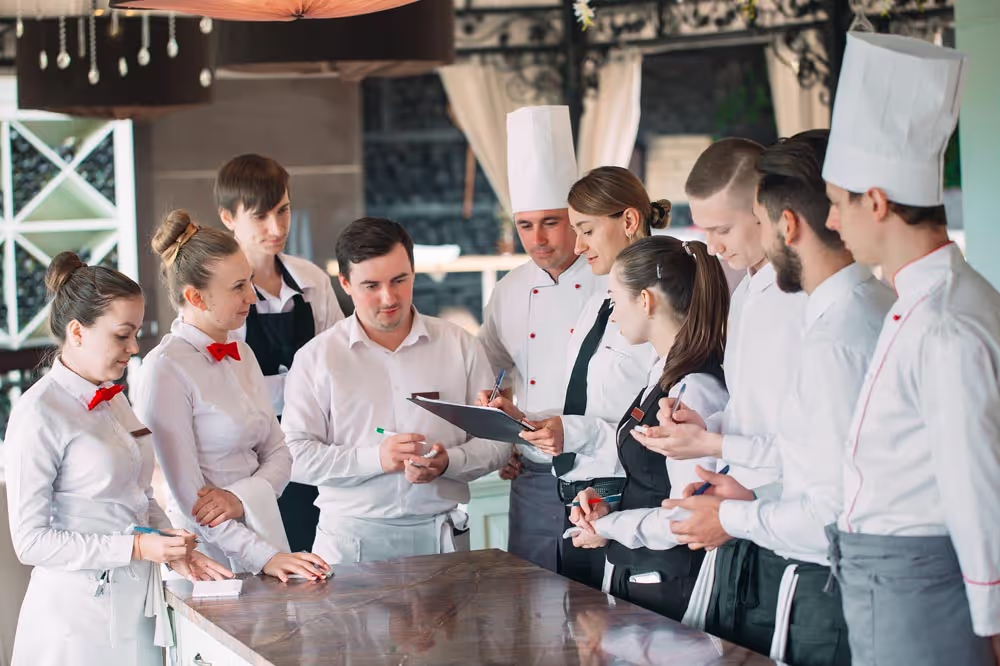
This keeps the core event details consistent while giving each department the information they actually need. For example, the kitchen will get a BEO of menu items, dietary restrictions, and service timing, while front-of-house (FOH) teams get a BEO on the room setup, guest flow, staffing, and guest arrival times.
Main Banquet Event Order
The main BEO is the master document used by the event manager, venue manager, or catering manager to oversee the full event.
It typically includes:
- Full event timeline
- Vendor information
- Financial details
- Staffing requirements
- Setup instructions
- Food and beverage information
- Contracts and attachments
- Operational notes
This doc is the primary source of truth for the entire event. It helps the person managing the event confirm that the client, venue team, catering team, and vendors are all working from the same final details.
Chef BEO or Kitchen Sheet
The chef BEO, or kitchen sheet, focuses primarily on food and beverage operations.
It usually includes:
- Menu items
- Dietary restrictions
- Special meals
- Guest count
- Food service schedule
- Catering notes
- Beverage service details
Kitchen sheets help caterers and culinary teams prepare efficiently while minimizing errors during service. They give the kitchen a clear view of what needs to be prepared and which requests need extra attention.

Front-of-House BEO
The FOH BEO focuses on guest-facing operations and venue setup.
This version often includes:
- Room layouts
- Tables and seating arrangements
- Ceremony timing
- Staffing assignments
- Guest arrival schedules
- Set up and breakdown timing
Front-of-house staff use the BEO to coordinate service flow and prepare the venue for guests. It helps the team understand how the room should look, where guests should go, when key moments happen, and what needs to change during the event.
What Should a BEO Include? Checklist for Event Success
Every venue has its own way of building a banquet event order, but the best BEOs do the same job: they give your team the exact information they need to run the event without chasing details across emails, proposals, contracts, or group chats.
A strong BEO should be detailed enough for the team working the event day, but clear enough that someone can scan it quickly and understand what matters most. Here’s what that can look like.
Planner and Client Information
Include contact details for:
- Event planner
- Client
- Catering manager
- Day-of coordinator
- Key venue contacts
This section gives your team a clear point of contact when questions come up. If the guest count changes or someone needs approval for a last-minute adjustment, staff should know exactly who to ask.
Event Details
This section outlines:
- Event name
- Event date
- Start time
- End time
- Venue location
- Guest count
- Type of event
- Rooms being used
These details set the foundation for the entire BEO. A 40-person rehearsal dinner in one private room needs a different staffing plan than a 200-person wedding with ceremony, cocktail hour, and reception spaces.
Clear event details help the venue team plan the right setup, staffing, timing, and service flow right from the get-go.

Event Timeline
The timeline outlines the full event schedule, including:
- Vendor arrival times
- Setup schedule
- Ceremony timing
- Food service timing
- Cocktail hour
- Speeches or presentations
- Breakdown schedule
The event timeline is easily one of the most important parts of the BEO. It tells every department when things need to happen. That way, the kitchen knows when the appetizers need to go out, and the setup crews know when to flip a room for a different program.
A clear schedule helps prevent bottlenecks and keeps the event moving without constant check-ins.
Food and Beverage Details
The food and beverage section covers:
- Menu items
- Food and beverage selections
- Beverage minimums
- Food and beverage minimums
- Signature cocktails
- Dietary restrictions
- Special meals
- Cake cutting instructions
Food and beverage details need to be specific because small misses can create big guest experience problems.
If the client requested gluten-free meals or cake cutting after speeches, those details should be easy for the catering team, bartenders, and service staff to find. This section also helps the kitchen prepare the right quantities and avoid scrambling during service.
Floor Plans and Room Layouts
Room setup instructions should include:
- Seating arrangements
- Tables
- Dance floor placement
- Ceremony layouts
- AV placement
- Traffic flow
- Multi-room events setup
Floor plans turn the client’s vision into practical setup instructions. They show the team where tables go, how guests will move through the space, where vendors should set up, and which areas need to stay clear.
For multi-room events, this section is especially important because teams may need to prepare different spaces for different parts of the same event.

Financial Information
Financial sections may include:
- Deposits paid
- Remaining balances
- Service charge
- Taxes and fees
- Billing schedules
- Contract references
Financial information helps the venue connect the operational plan with the agreed terms. The BEO doesn’t (and shouldn't) replace the contract, but it can help the event manager or venue team confirm food and beverage minimums, beverage minimums, service charge details, and any remaining balances tied to the event.
Vendor and Staffing Notes
The vendor and staffing section generally includes:
- Vendor information
- Staffing requirements
- Security needs
- Parking logistics
- Setup crews
- AV coordination
- Special requests
The vendor and staffing section helps your team understand who else is involved and what they need. If a DJ needs early access or extra bartenders are scheduled for cocktail hour, those notes should be visible before the event day.
Clear vendor and staffing notes also help managers avoid double-booking staff, missing setup windows, or leaving teams short-handed during key moments.
Attachments and Supporting Documents
Many BEOs also include attachments such as:
- Contracts
- Signed agreements
- Menus
- Floor plans
- Guest lists
- Vendor agreements
- Revision tracking notes
Attachments keep supporting details connected to the main working document. This is very useful when teams need to confirm client-approved menus or check which version of the BEO is current.
Version control matters here. When teams update BEOs close to the event day, everyone should know they’re looking at the latest version, not an old PDF.
BEO vs Event Contract: What’s the Difference?
A contract and a banquet event order work closely together, but they serve different purposes. The easiest way to think about it is this: the contract protects the business relationship, while the BEO helps the venue team execute the event successfully.

Event Contract
An event contract is the formal legal agreement between the venue and the client. It outlines the business terms both parties agree to before the event takes place.
It typically includes:
- Pricing
- Payment terms
- Cancellation policies
- Liability terms
- Service agreements
- Food and beverage minimums
- Beverage minimums
- Deposit schedules
- Overtime fees
- Damage clauses
The contract establishes what the client is paying for and what the venue is responsible for providing, as well as what happens if plans change or either side fails to meet the agreement.
This is a legally binding document. If disputes come up around payments, cancellations, timing, or liability, the contract is what venues and clients refer back to.
Banquet Event Order
A banquet event order is a working operational document used to manage the event itself.
Unlike the contract, the BEO is designed for internal coordination and day-of execution. It tells the venue and event management team exactly how the event should run, from when vendors arrive to when dessert is served.
Why the Difference Matters
Understanding the difference helps you use both documents correctly.
The contract protects the business side of the event. It defines the financial terms, legal obligations, cancellation policies, and overall agreement between the venue and the client.
The BEO supports the operational side of the event. It gives the venue team, catering staff, vendors, and event planners the detailed instructions needed to actually run the event successfully.
Without a contract, venues risk financial and legal confusion. Without a strong BEO, teams risk operational confusion on the event day. The two documents work together and both are necessary.
How to Create a BEO
You can create a BEO manually, especially if your venue only manages a small number of events each month. A simple template can help you organize the basics, from guest count and menu items to room setup and vendor information.
Or you can simplify things with a free editable BEO template. All you have to do is fill out the form, and we’ll send you a free BEO template tailored to your needs.
1. Gather the Event Details
Start by collecting the core information your team needs to understand the event.
This includes the
- Event name
- Event date
- Guest count
- Start time
- Room setup
- Vendor information
- Special requests
- Food and beverage details
2. Organize the Event Timeline
Next, map out the full schedule, including:
- Vendor arrival times
- Setup windows
- Ceremony timing
- Food service timing
- Room flips
- Breakdown
A clear timeline helps every department understand what needs to happen first, what overlaps, and where the pressure points are.
3. Add Food, Beverage, and Staffing Details
Document the service details your team needs, such as:
- Menu items
- Dietary restrictions
- Special meals
- Beverage minimums
- Signature cocktails
- Cake cutting
- Staffing requirements
Be thorough. Missing a dietary restriction can lead to serious issues, like an allergic reaction and a hospital visit.
4. Include Layouts and Technical Requirements
Add setup and technical notes, including:
- Floor plans
- Seating arrangements
- Room layouts
- Audiovisual equipment
- Tables
- Vendor setup areas
Instead of guessing where the bar should go or when AV needs to be ready, staff can follow a clear setup plan from the BEO.

5. Review and Distribute the Final BEO
Before the event, review the BEO internally and confirm the latest version with the right people. Make sure the event manager, catering manager, kitchen, front-of-house team, vendors, and client-facing staff all have the details they need.
When your team relies on spreadsheets and PDFs, BEOs can get messy fast.
Perfect Venue solves that by automatically generating BEOs from the event details already in your system. From there, we can update information online, keep everyone working from the latest version, and create polished documents for staff and clients without rebuilding everything by hand.
Because we also bring calendars, digital proposals, online payments, and email workflows into the same venue management system, BEOs become part of a smoother planning process.
Your team can confirm changes faster and walk into event day with a clearer plan for service, setup, staffing, and client communication – everything you need to run a successful event!
Conclusion
Banquet event orders are essential operational documents that help venues execute events efficiently and consistently. They keep departments aligned, improve communication, reduce operational mistakes, and help teams deliver better event experiences.
As your venue grows, managing BEOs manually gets harder. Perfect Venue brings your event details, timelines, proposals, payments, and BEOs into one organized system.
That means your team spends less time chasing updates and more time creating events people actually remember.
Ready to make BEOs feel less like busywork and more like your event-day superpower? See how Perfect Venue helps teams create better BEOs and pull off successful events with less chaos. Download our FREE BEO template or start your free trial today!