
A winning event proposal directly answers what the client asked for. It describes their specific event back to them, highlights the venue features that fit their brief, and lays out clear, itemized pricing, all sent back quickly enough to beat competing venues to the inbox.
Speed is often the deciding factor. Most prospects are comparing a handful of venues in the same window, and a slow, generic response loses to a venue that answers first with the right details.
Manually creating proposals can be time-consuming, especially if you're rebuilding pricing and formatting from scratch every time.
Using event management software, you can access templates and automatically fill in the required information. This lets you craft and send professional-looking proposals that answer the inquiry fast, instead of starting from a blank document every time.
This guide covers everything venue managers need to know about creating an effective event proposal, from the elements a strong proposal needs to the steps for putting one together.
TL;DR
- An event proposal is a document that outlines your venue's availability, pricing, and event details in response to a booking inquiry.
- Strong proposals combine a polished design, a personalized description of the event, proof of your team's expertise, and a transparent budget.
- Speed matters. Prospects are usually comparing several venues at once, so the venue that responds first and clearest often wins the booking.
- Event management software automates proposal creation, digital signing, and calendar blocking, cutting the manual work down to minutes.
- The most common proposal mistakes are vague language, a missing timeline, and pricing that isn't broken down clearly.
What Is an Event Proposal?
An event proposal is a document that outlines the event's purpose, details, and pricing for an upcoming booking, usually opening with a brief description of what the client has planned.
Venue managers create digital proposals to respond to booking inquiries received through their website, email, or social channels.

The document typically includes:
- The event objectives and how your venue supports them
- A rough roadmap for how the event will come together
- Venue space availability for the proposed date
- The team who will be on-site
- Unique features of your event space
- Event costing, including catering and bar minimums
- General inclusions and exclusions
Once the prospective client receives your proposal, they'll compare it against quotes from other venues. Armed with that information, they decide which space fits their event best.
Many venues lean on comprehensive templates inside their event management software rather than building each proposal from scratch. Perfect Venue, for example, enables you to send proposals in just a few clicks so that you can be the first email in your prospect’s inbox.
The table below breaks down what a proposal needs to cover and why each piece matters to the person reading it.
If you want a reusable starting point, our event proposal template walks through a structure you can adapt for any booking.

Why Winning Proposals Matter for Your Venue
First, a proposal communicates important event and venue information to prospective clients, so everyone's on the same page about what you can offer. It also clarifies your unique value proposition, so prospects understand why your space is one of a kind.
A good proposal gives you an edge over other venues. It shows the prospect you understand their event and can meet their needs. By covering things like catering options, equipment, and pricing, interested parties get a real feel for why your venue might be the right fit.
In our experience working with venue managers, the proposal itself often does as much to win the booking as the venue does. Two spaces can be equally suited to an event, but the one with the clearer, faster, more personalized proposal usually gets the signed contract.
Using the same generic template for every proposal is a missed opportunity. Customizing each one to the specific client keeps it from getting lost in the inbox with everyone else's.
Once you've won the contract, the proposal doesn't disappear. It becomes the planning and management framework for the event itself, since the details you outlined (space, timeline, budget) are what your team will execute against.
A proposal that's vague at this stage tends to cause confusion once planning starts, which is one more reason it's worth getting right the first time.
Start With the Event Goals and Target Audience
Before you open a template, get clear on two things:
- The event goals
- The target audience
A corporate holiday party for 40 employees has completely different goals than a 200-guest wedding, and the proposal should read differently for each.
Ask what the client wants to achieve (celebration, brand exposure, team morale, fundraising) and who's actually attending. That shapes everything from the room you recommend to the menu you propose.
This bit of event planning up front pays off once you start writing.
Potential clients and the decision makers signing off on the budget can usually tell within a few lines whether you understood their brief or sent a copy-paste response. A proposal built around their specific goals and audience is more personalized, which often makes the biggest difference between winning the booking versus getting lost in a stack of similar, generic competing quotes.

How to Write a Winning Event Proposal
Every proposal you send will look a little different, since it's built around the specific event that's been submitted. Use the steps below as a framework for your own proposal, whether you're building one from a template or from scratch.
1. Nail the Visual Design
The proposal is the first real look prospects get at how your team operates. If it's clean and easy to follow, they assume the event will be too. If it's a dense wall of text, doubt creeps in.
A few concrete things to get right:
- use your logo and the client's name so they can see that it's clearly made for them
- keep pricing clear in a table instead of buried in a paragraph
- add real photos of the actual space they'd be booking and how it’s been used for past events
Most people open these on their phone first, so check that it doesn't turn into a squeezed two-column mess on a small screen.
You don't need to be a graphic designer to pull this off. A solid event proposal template or event management software with a proposal feature should already have a clean, ready- to-use layout.
2. Turn The Inquiry Details Into a Story
The person making the inquiry already told you what they're picturing for their event. Your job is to reflect that back using your venue's actual features.
Write a short description of how the day might unfold, and address their requirements one at a time.
Say the prospect is planning a fairytale wedding. Talk about your ballroom, the string lighting, and the raised dance floor. Maybe the inquiry is about your outdoor space? Mention the garden and the water feature. Interested in vegan menu options? Bring up the local caterer you already work with who nails plant-based menus.
This is where you show you understand the client's vision and why your venue is perfect for making it happen.
A well-built event inquiry form makes this step easier, since it gives you the specifics (guest count, event type, must-haves) to work with.
3. Highlight What Makes Your Venue Unique
Your venue is unique, and the proposal is the place to say so. This gives the prospect a clear idea of what sets your space apart from the competition.
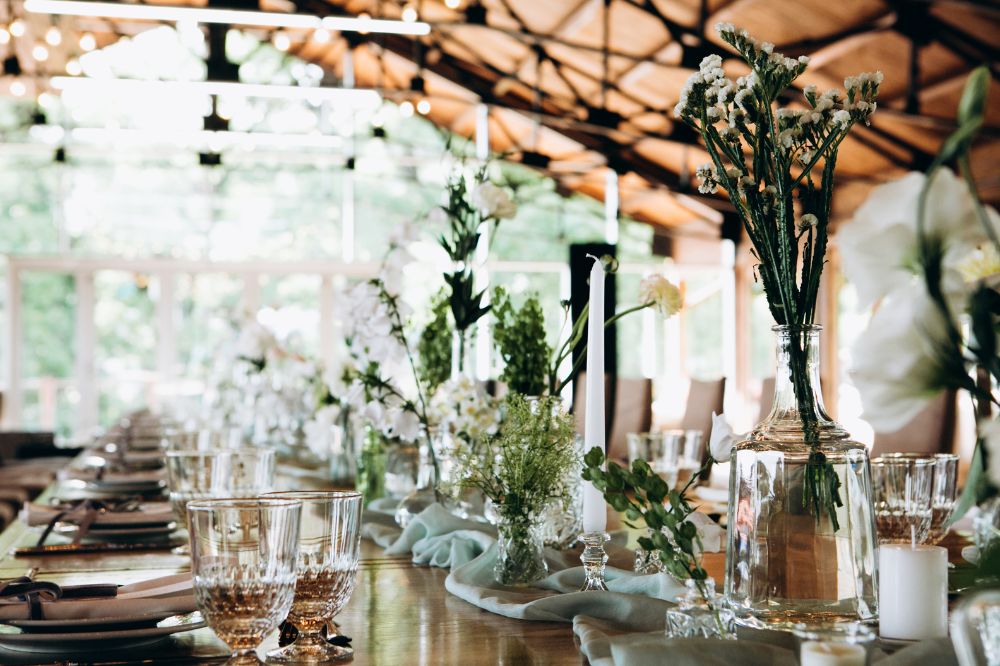
What features does the venue offer? What makes it different from anywhere else? Think about details like different event spaces, unique décor, standout features, equipment inventory, and views. Tie these features back to the client's event concept, whether that's a corporate event, a milestone birthday, or something in between.
Where you can, include images or a short video that shows off the space and what's on offer.
4. Show Your Expertise
An impressive proposal outlines who you are, what you've done, and why you're a great fit to manage this event. That's what gets a venue lead to trust you and see value in what you're offering.
List a few recent events you've hosted in the space, and call out details specific to running events at your venue. For example, a similar guest count you accommodated, a fast room turnover between a ceremony and reception, or how your team handled a last-minute vendor change.
If the prospect can see a solid track record with events like theirs, they'll have a lot more reason to book with you.
While you're at it, put yourself in the client's shoes. What skills or experience would they want to see from a venue manager for this particular event? Highlight whatever expertise matches the brief in front of you.
5. Introduce the Team
A strong proposal shows the prospect who will actually run their event, not just the venue's name. This should include your internal team as well as your preferred vendors, like the florists, AV crews, and rental companies you regularly work with and can vouch for.
List the event management team and other stakeholders involved, along with their roles and relevant experience. Potential clients want to know that seasoned professionals are behind the event.
Naming the team and showing off their expertise builds confidence and trust. It also shows the client you can coordinate and manage vendors smoothly on the day for a successful event.
6. Propose a Budget
You've outlined the event vision and how your venue can execute it. The client understands the value you're offering and (hopefully) is excited to move forward. Before they take the next step, they'll want to know it fits their budget.
Your proposal should include a quotation covering venue hire and any required extras. There's always room to add pricing for extra requests later, but at this stage, give a solid ballpark figure. This part is essential. No one books a venue without understanding the costs, so include a breakdown of the pricing for transparency.
It's worth building some flexibility into your pricing. Offering a couple of package options, or optional add-ons with clear price differences, helps clients tailor the event to their own budget and needs.
If the event includes ticket sales, such as a fundraiser or a ticketed conference, note how that revenue factors into the total so the client sees the full financial picture.
Tools built for event budgeting can help you put these numbers together quickly and keep them consistent across every proposal you send.

7. Cover the Fine Print
A proposal's job is also to prevent surprises later on. Use this section to cover anything a client would want to know before signing, so nothing catches them off guard once the event is booked.
At minimum, this usually includes:
- Your venue's cancellation and rescheduling policies
- Payment terms, including deposit amounts and due dates
- A rough event timeline from booking through event day coordination (site visit, menu tasting, final headcount, load-in)
- Client testimonials or references, if you have them
- Catering details, including how you'll handle dietary requests, which is often documented on a banquet event order (BEO) once the booking is confirmed
- A brief note on contingencies, like how you'd handle a lower-than-expected headcount or a last-minute vendor change
You don't need a full plan for every scenario, but flagging one or two of these shows the client you've thought it through and are prepared should something unexpected happen.
8. Use Software and Automation to Optimize Your Proposals
Event management software like Perfect Venue is your best friend when it comes to creating winning proposals. It automates the generation process, so you can craft and send professional-looking documents much, much faster.
Building each proposal by hand also means re-entering the same numbers every time, which is where mistakes creep in. Sales reps spend 60% of their time on non-selling tasks like this, instead of talking to clients. Event management software fixes this by handling the repetitive parts so you can focus on the details that change from client to client.
Set your defaults once, like your standard F&B minimum, deposit percentage, and accepted payment method, and they'll auto-populate on every new proposal you create.
The proposal itself should also do the math for you. As you add menu items and quantities, the totals, taxes, service fees, and deposit due should calculate automatically. That's one less place for a pricing error to sneak into a client-facing document.
Two handy features worth looking for:
- Proposal locking: lets you set a cutoff (at signing, or one or two weeks out) after which the client can't keep changing their menu selections and throwing off your final headcount
- Notes templates: let you save something like a standard wedding-day timeline once and drop it into every relevant proposal instead of retyping it.
Once the client's ready to commit, you’ll want e-signature support. That lets them sign the proposal electronically instead of printing, signing, and scanning it back to you.
From there, everything (the signed proposal, notes, payments, and the BEO) lives on the same event record, which makes it easier to manage the rest of the event management process without switching between separate tools.
Pro tip: It's also worth checking whether your platform can automate follow up surveys after the event wraps, so you're collecting feedback without adding another manual step to your team's plate.
An ideal event proposal showcases the team that will be running the event. This should include your internal team members, as well as any vendors you work with.
List out the event management team and other stakeholders involved in the project, outlining their roles and event experience. Prospective clients will want to understand who will handle the event and provide the excellent experience you're pitching.
By naming the team and showing off their relevant expertise, you’ll be able to instill a lot more confidence and trust in the client. It’s also necessary for establishing your proposed event budget.

Simple Event Proposal Template: Ready to Use
If you’re looking for a template to start with, copy this into a new document, then swap in your venue's details and branding. Delete any section that doesn't apply to a given event.
[YOUR VENUE LOGO]
Prepared for: [Client Name]
Prepared by: [Your Name / Venue Name]
Date: [Date]
Proposal valid until: [Date]
1. Event Overview
[Two to three sentences describing the event back to the client in your own words. Use the details they gave you in their inquiry: event type, occasion, vibe they're going for. This is where you show you were listening.]
2. Why [Your Venue Name]
[This is your "draw cards" section. Pull 2-4 features that connect directly to what the client asked for, rather than a generic list of everything your venue offers.]
- [Feature 1]: [How it applies to this specific event]
- [Feature 2]: [How it applies to this specific event]
- [Feature 3]: [How it applies to this specific event]
[Optional: insert 1-2 photos or a short video link of the space here.]
3. Your Event Team
[Optional: one or two lines about a similar past event this team ran, with a result or client quote if you have one.]
4. Proposed Budget
Pricing above is an estimate based on the details provided and may adjust based on final guest count and selections. Tax and service charge not included unless noted.
5. Timeline
6. Terms & Policies
- Deposit: [Amount or %] due at signing to hold the date.
- Cancellation policy: [Your venue's terms]
- Rescheduling policy: [Your venue's terms]
- Payment methods accepted: [Options]
- Overtime rate: [If applicable]
7. Next Steps
To confirm this booking, sign below and return with your deposit by [date]. We're happy to answer any questions or adjust these details before then.
Client Signature: ______________________
Date: ______________
Venue Representative: ______________________
Date: ______________
[Your Venue Name]
[Address]
[Phone] | [Email] | [Website]

Common Mistakes to Avoid When Writing an Event Proposal
Even a well-structured proposal can fall flat if it makes one of these mistakes. Watch out for:
- Being too vague. Prospects can't approve what they can't picture. "We'll create a memorable event" doesn't tell them anything. Be specific about the space, the menu, and what the day actually looks like.
- Skipping the logistics. It's easy to focus on the exciting parts, like décor and menu options, and gloss over load-in times, staffing, and vendor coordination. If a client can't picture how the event runs operationally, they'll hesitate to sign.
- Burying the pricing. If costs aren't broken down clearly, clients either assume the worst or come back with a list of questions before they'll move forward.
- Sending it too slowly. Prospects are usually comparing a handful of venues in the same window. A same-day or next-day proposal signals you're organized and easy to work with. A proposal that takes a week can lose the booking before the client even finishes reading it.
- Reusing the same generic proposal for every inquiry. Even small, specific touches (the client's name, their event type, a detail from their inquiry) go a long way toward making the proposal feel considered rather than templated.
Stop Rebuilding Proposals From Scratch
Whether you're using event proposals to win new business or secure repeat bookings, they're some of the most important documents your venue sends. They help prospects understand what you offer, what it costs, and whether your space fits their vision, all before they've set foot in the building.
Great event management software makes this whole process faster, so you can get ahead of your competitors in your client's inbox instead of getting buried by them.
Perfect Venue helps venue managers build and send proposals in just a few clicks, using ready-made templates. With it, you can track every inquiry in one place and cut down on the manual back-and-forth of chasing signatures and updates.
Sign up for a free 14-day trial to see how it fits into your booking process.
Frequently Asked Questions
How do you write a proposal for an event?
Start with the details the client already gave you in their inquiry, then build out a description of the event, your venue's key features, your team's experience, a clear budget, and any relevant policies. Keep it specific to that client's event rather than generic.
What are the key elements of an event proposal?
A strong proposal covers the event overview, venue features, the team running the event, a budget breakdown, a rough timeline, and terms like cancellation and payment policies.
What's a good format for an event proposal?
A good format is visual, branded, and easy to skim: short sections with clear headings, a pricing breakdown instead of one lump sum, and images of the space where possible. Event management software templates are built around this format already.
How quickly should I send a proposal after a booking inquiry?
As fast as you reasonably can, ideally within a day. Prospects are usually comparing several venues at once, and the venue that responds with a clear, professional proposal first has a real edge over one that takes a week.
What's the most common mistake venues make in event proposals?
Being too vague about the event details or the pricing. Clients want specifics they can compare against other venues, not general statements about how great the event will be.


