Get more private event bookings by making private events easy to find, replying to inquiries within minutes, and sending a clear proposal the same day. Then let guests sign and pay their deposit online, so a "maybe" turns into a booking before they email the next restaurant.
Most restaurants lose events in the gaps between steps: an inquiry that waits until Monday, a quote that takes three emails, a deposit that needs a check. This guide is for restaurant owners, general managers, and event managers who sell private dining at one location or several. It walks through each step from first search to repeat booking, with one fix for each.
Quick answer: To get more private event bookings, make your private events easy to find, reply to inquiries within minutes, and send a clear proposal the same day. Let guests sign and pay their deposit online, and follow up on quiet leads. Perfect Venue handles each step, from inquiry form to final payment.
Where Restaurant Private Event Bookings Come From
Restaurant private event bookings come from seven main sources: your website, Google, venue marketplaces, reservation platforms, walk-in guests, repeat clients, and AI search. Knowing which ones send you bookings tells you where to spend your time.
Reservation platforms like OpenTable list private dining for many restaurants. Keep your details there consistent with your own page, so guests see the same capacity and starting price everywhere.
Types of Private Events Restaurants Can Book
Most restaurant private event bookings fall into two groups: corporate functions and private parties. Each group books on its own timeline and cares about different details. Knowing your mix tells you which menus, photos, and follow-ups to focus on.
A corporate event is usually a team dinner, client lunch, offsite, or holiday party. Corporate bookers want a clear invoice, a fixed budget, and a room that works for short presentations. A screen and good Wi-Fi go a long way!
Private parties cover birthday parties, anniversary celebrations, rehearsal dinners, baby showers, and the occasional family reunion. A guest planning a milestone celebration cares most about the menu, the room, and how the night feels.
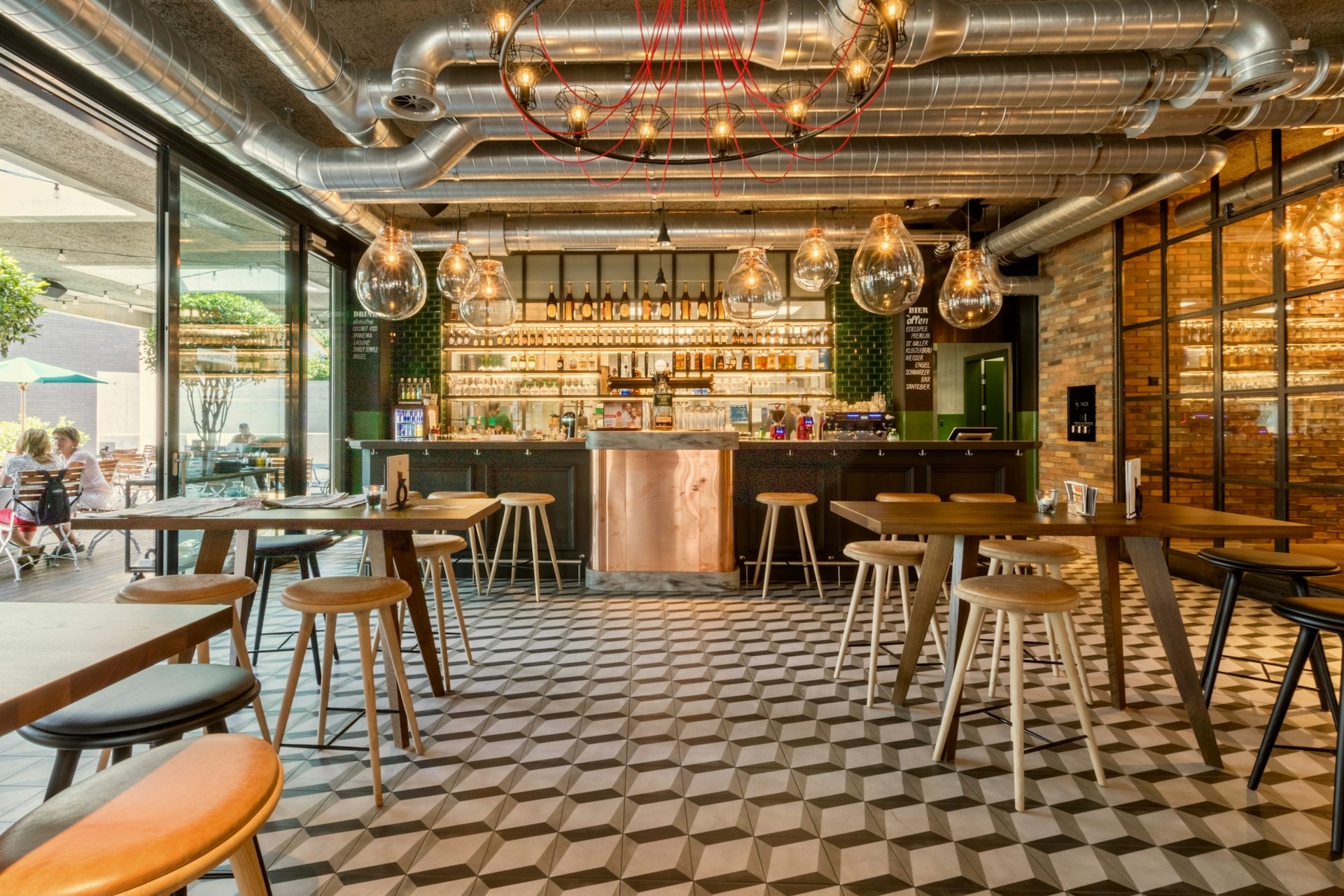
Group size shapes the booking as much as event type. Private dinners and intimate gatherings for 10 to 20 guests fit a semi-private room or a chef's table. Cocktail receptions and large celebrations need a buyout or multiple event spaces. Outdoor spaces like a patio or courtyard can stretch your capacity for large scale events in warmer months. A covered patio with heaters makes an ideal setting for a fall cocktail reception, too.
Lead with the occasions you handle best. If your private room seats 24 and your kitchen shines at plated dinners, market rehearsal dinners and client dinners rather than 200-person receptions.
12 Ways to Get More Private Event Bookings
These 12 ways follow the booking funnel in order: get found, reply fast, close the deal, and win the next one. Start with the step where you lose the most inquiries.
1. Give Private Events Their Own Page
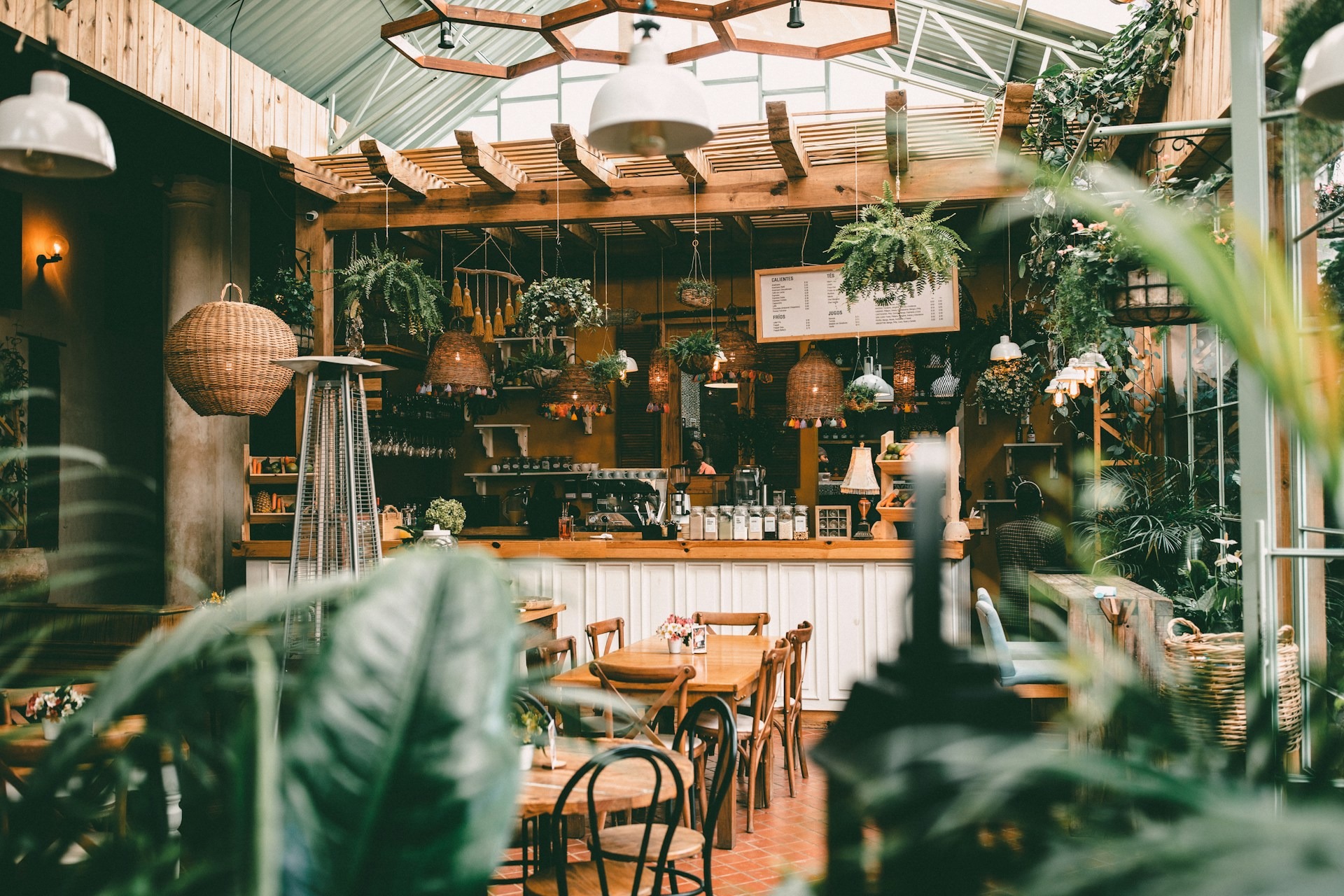
Build one page on your website for private events. Show each space with photos, seated and standing capacity, sample menus, and a starting price. AI search tools like ChatGPT read the same page, so stating capacity, price, and event types in plain text makes it easier for them to suggest your restaurant.
Publish your food and beverage minimums by day too. A guest who sees "$1,500 minimum, Monday to Thursday" knows right away whether you fit their budget.
Describe what each space offers
If you have multiple event spaces, give each one a name, photos, and its own capacity. Flag a flexible event space that seats 20 for dinner and holds 50 for cocktails. Planners scan for that kind of versatile space.
Name the details guests will notice
Soaring ceilings, exposed wood beams, a fireplace, or a garden on your outdoor grounds help a guest picture the night. If the building has a rich history, add a line about it. Say if you're centrally located downtown or conveniently located near transit and parking. That's often what makes you the perfect location for an after-work event.
Use facts guests can plan around: "Seats 40 for a plated dinner, with a private bar and a projector." Every venue calls itself the perfect party venue, so specifics are what get you shortlisted.
Show past events
Visual storytelling works well here. Use photos of real setups, like a long table for a rehearsal dinner or a room dressed for a holiday party. Schedule a quick photo shoot when a room is set (with the host's OK). Create a short video walkthrough so guests can explore the space before they visit. Add a few client testimonials with the event type and group size. Photos of past work and real reviews help new guests trust you before they've met your team.
2. Add an Event Inquiry Form
Add a form that collects the date, guest count, budget, event type, and contact details. With those answers, your first reply can include specific options instead of a list of questions. A good event inquiry form takes guests under two minutes to fill out.
Check each inquiry against your event calendar and room capacities before you reply. A 45-person group won't fit comfortably in a room that seats 30, and a cramped room slows service. A simple venue capacity system makes this a 10-second check, so you only offer rooms that fit the guest count.

3. Reply Within Minutes
Reply to every inquiry within minutes, even during dinner service. Guests often send the same request to several restaurants and book whoever answers first with clear details.
Perfect Venue can send a personalized reply within minutes of a new inquiry and drafts AI replies your team can review and send. So a corporate lead that lands at 7 p.m. on a Friday, mid-dinner rush, gets a speedy reply while your team is busy on the floor. Otherwise it waits until someone checks the inbox after service or the next day, and the planner may have heard back from another restaurant by then.
4. Send a Proposal the Same Day
Send a proposal the same day with two or three package options, the menu, the minimum, and your policies. Options make it easy to say yes without another round of emails. A clear event proposal also gives corporate bookers something they can forward to their boss.
Stay flexible on vendors where you can. Some guests want to bring their own baker, florist, or DJ, and that flexibility can lower their total cost. For guests who'd rather not shop around, share a preferred vendor list. Vendors who like working with you may refer their own clients back to you.
Spell out who's on site, too. Say that on-site catering comes from your own kitchen and that an event lead stays for the whole night. On-site support staff take work off the host's plate and make the planning process easier.
5. Make It Easy to Sign and Pay
Let guests e-sign the contract and pay the deposit online in one step. With Perfect Venue, guests open a secure link, review the proposal, pick add-ons, sign, and pay from their phone. When you collect deposits online, a hold becomes a confirmed booking the same day.
6. Let Smaller Groups Book Themselves
Let smaller groups confirm a booking without any back-and-forth. Perfect Venue's ExpressBook lets guests pick an open slot on your event calendar and confirm on their own. That works well for set-menu dinners and happy hour sections where the details rarely change.
7. Follow Up on Quiet Leads
Follow up on every lead that hasn't replied. Send a short check-in two days after the proposal, then another a week later with a new date option or a reminder about availability. A steady cadence helps you nurture event leads without sounding pushy.
Email tracking helps here. Perfect Venue shows when a guest opens your email or clicks a link, so you know when to follow up.

8. List Your Spaces Where Planners Search
List your private dining room wherever guests and planners look for event spaces. Start with your Google Business Profile. Google says local results depend on relevance, distance, and prominence, and reviews count toward prominence. Add event photos and reply to reviews. Planners filtering by neighborhood want an ideal location for their guests, so keep your address, parking, and transit details current.
If you use Perfect Venue, you can also list your spaces on the Perfect Venue marketplace, where planners search by city, capacity, and event type.
Social media marketing keeps your spaces in front of past guests and new planners between bookings. Share a photo of each setup (with the host's OK), a short clip of the room before guests arrive, and your open dates for the next month. Tag the vendors you worked with so their followers see your space.
9. Sell Holiday Parties Early
Start selling holiday parties in late summer. According to Challenger, Gray & Christmas, 64% of companies planned holiday celebrations in 2024. Email last year's holiday clients first, then publish a holiday package with set dates and prices.
Plan the rest of your peak seasons the same way. If December books out by October, open those dates in August and offer January dates to anyone you turn away.
10. Turn One-Off Clients Into Repeat Bookings
Treat every corporate booking as the start of an account. After the event, send a thank-you note, ask for a review, and offer to hold a date for their next team dinner or holiday party. A company that books four dinners a year is worth more than four new leads.
Repeat guests carry a big share of restaurant revenue. Data from Toast and Resy shows that 7% of guests can drive up to 50% of a restaurant's order volume. Turning an event client into a regular puts them in that group, and regulars send new clients your way through referrals and reviews.
Most social events land on the same date every year. Set a reminder to contact birthday and anniversary clients 10 to 12 weeks before last year's date, and offer to hold the room. Do the same for corporate clients before their annual holiday party or offsite.
Go back through last year's unbooked inquiries every season, too. A guest who picked another venue last spring may give you a shot this year. A short note with your new menu or open dates is enough.
Segment your past client list by event type, size, and season. Then send targeted event emails to each group. Corporate clients get your holiday packages in August, and baby shower hosts get your spring brunch buyout.
11. Train Staff to Mention Private Events
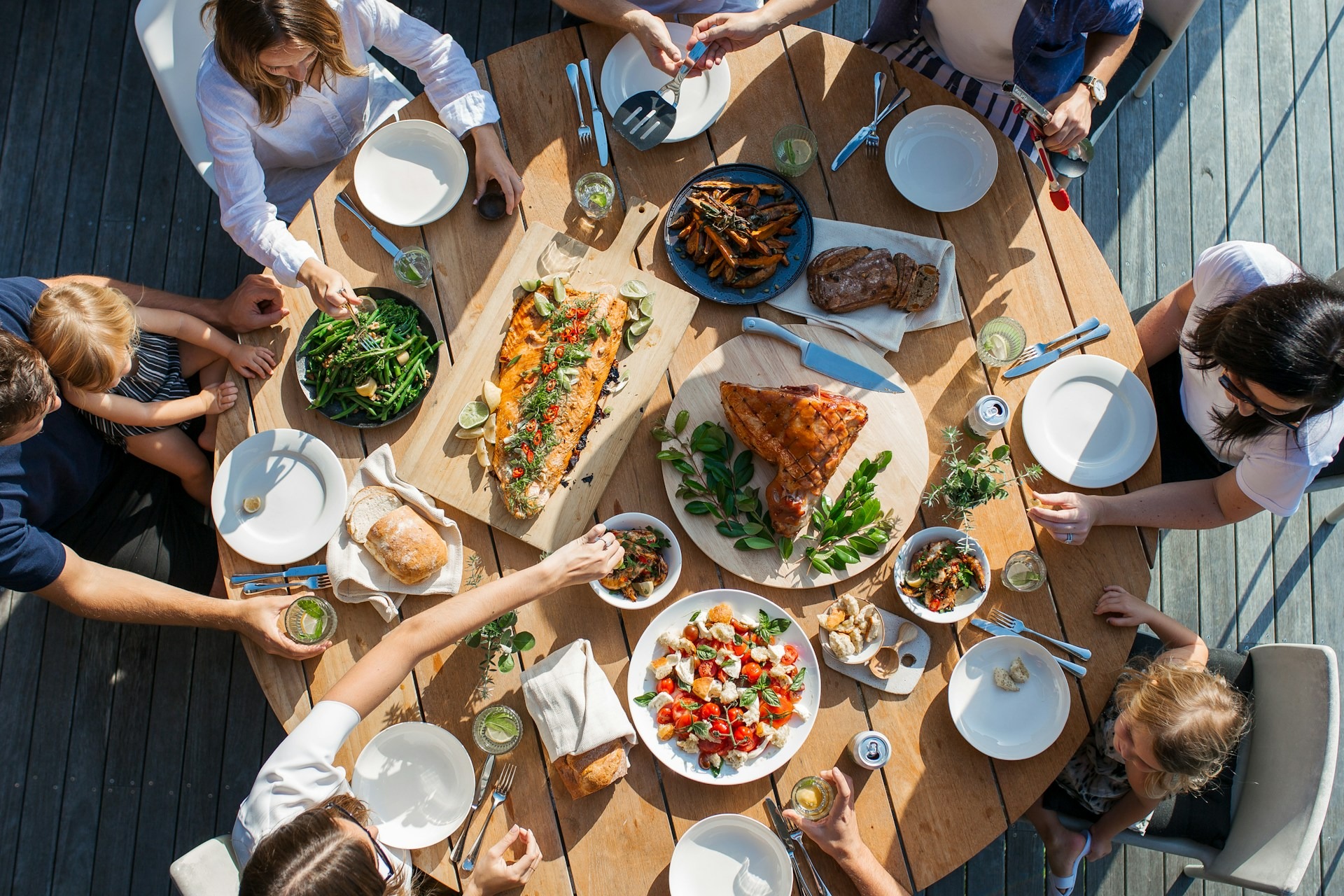
Teach servers and hosts to mention your private room when guests mention a birthday, a work dinner, or another special event. Put a small card on each table and a line on your menu. Regulars already like your food, so they're easy to convert.
Recognition helps close the deal. Only 30% of diners say they consistently get recognized at their favorite restaurants, according to the Regulars Report from Resy and Toast. A host who greets a regular by name and mentions the private room for their next event stands out.
12. Track Conversion by Lead Source
Tag every inquiry by source and track how many make a booking.
Add "AI search (ChatGPT, Gemini)" as an option in your form's "How did you hear about us?" field. Those leads often show up as direct or Google traffic otherwise.
If marketplace leads convert at twice the rate of website leads, put more time into your listing.
Event analytics in Perfect Venue show lead sources, conversion rates, and confirmed revenue, plus a weekly digest in your inbox.
How Restaurant Groups Book More Events Across Locations
Restaurant groups book more private events by sharing leads, templates, and reporting across every location. When one restaurant is full, a sister venue can take the booking.
- Cross-selling: When a guest's date is taken at one location, your team offers an open space at another.
- Shared templates: Every location sends the same fast replies, proposals, and menus.
- Portfolio reporting: Compare lead sources and conversion rates across locations.
Perfect Venue supports restaurants, hotels, and hospitality groups with all of the above, and each location stays on its own plan. For the bigger picture beyond events, these ways to increase restaurant sales cover the dining room too.
Conclusion
You get more private event bookings by fixing each step of the funnel. Get found, reply within minutes, send a proposal the same day, and let guests sign and pay online. Then follow up and turn one-off events into repeat clients. Start with the step where you lose the most inquiries today.
If you're setting up events for the first time, this guide to building a private events program covers spaces, staff, and pricing. When you're ready to book more, start a 14-day free trial of Perfect Venue to reply to every inquiry in minutes and take deposits online.
Frequently Asked Questions
How do I get more private event bookings at my restaurant?
Get more private event bookings by giving private events their own web page, adding an inquiry form, and replying within minutes. Send a proposal the same day, let guests sign and pay online, and follow up on quiet leads. List your spaces on Google and venue marketplaces to reach more guests.
How fast should I respond to a private event inquiry?
Respond to a private event inquiry within minutes if you can, and within the hour at the latest. Guests often contact several restaurants at once and book the one that replies first with clear details. Automated, personalized replies help you answer during busy service and after hours.
Should restaurants list private dining on marketplaces?
Yes. Venue marketplaces put your private dining room in front of planners and guests who are already searching for event spaces. List each space with photos, capacity, and a starting price. Perfect Venue customers can also list their spaces on the Perfect Venue marketplace, where guests search by city and event type and send inquiries directly.
How do I price private events at a restaurant?
Price private events per person for set menus, or with a food and beverage minimum for private rooms and buyouts. Set higher minimums on Fridays, Saturdays, and in December, and lower ones on slower weeknights. Show a starting price on your website so guests can check their budget fast.
What software helps restaurants manage private events?
Event management software like Perfect Venue helps restaurants manage private events from inquiry to final payment. It sends fast replies to new inquiries and builds proposals with menu items and minimums. It also collects e-signatures and deposits through a secure link and tracks bookings on one calendar.